
Texas Roadhouse Salmon Honey Lemon

A quick, juicy salmon fillet glazed in a honey-lemon dill marinade — inspired by bold Texan flavors but simple enough for weeknight dinners.
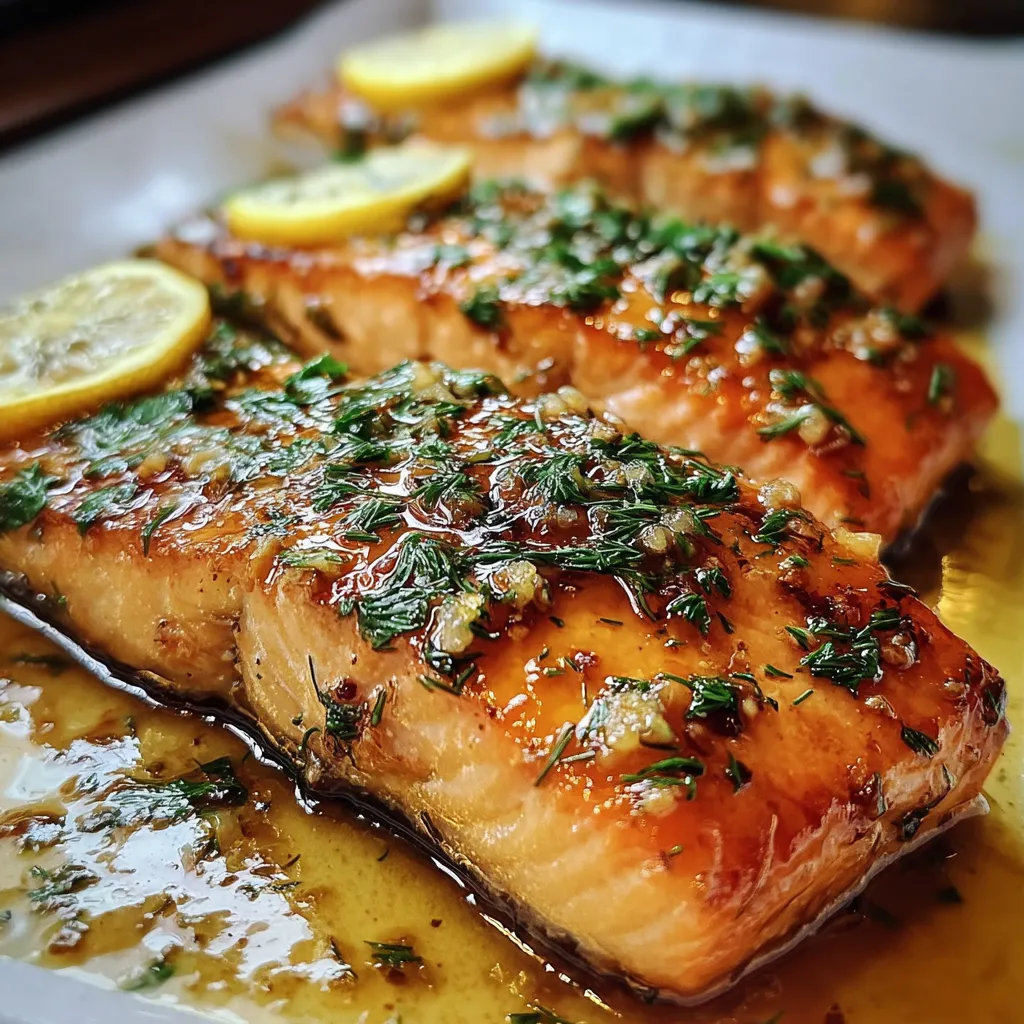
This honey-lemon salmon has been one of my happiest discoveries for busy weeknights and casual weekend dinners. I first developed this version after craving the sweet, slightly tangy glaze from a favorite steakhouse; transforming that idea to work with salmon produced a dish that is both bright and comforting. The first time I served it, my partner closed their eyes at the first bite and said it tasted like a summer evening: sweet honey, zesty lemon, and the fresh herb aroma of dill. Texture-wise the fillets stay moist and flaky, with the skin crisping slightly when roasted or grilled correctly.
I learned to tune the balance between honey and lemon over a few tries; too much lemon overwhelms the fish, too much honey masks its clean flavor. This precise mix — 2 tablespoons of each per four fillets — gives a glossy glaze that caramelizes lightly without burning. It’s ideal for cooks who want a restaurant-quality plate with minimal fuss: quick marinade, short cooking time, and straightforward ingredients that you likely already have in the pantry. Serve it for a special family meal or bring it to a casual dinner with friends — it always disappears quickly.
Why You'll Love This Recipe
- Quick turnaround: Ready in about 30 minutes from start to finish — perfect for weeknights when time and patience are short.
- Pantry-friendly ingredients: Uses olive oil, honey, lemon, garlic powder and fresh dill — no exotic purchases needed.
- Versatile cooking methods: Works equally well under a broiler, in a hot oven, or on a gas grill for a smoky edge.
- Crowd-pleasing glaze: The honey-lemon marinade creates a glossy, lightly caramelized crust that appeals to adults and kids alike.
- Make-ahead friendly: You can mix the glaze in advance and marinate for up to an hour; leftovers reheat beautifully.
- Healthy and balanced: High in protein and healthy fats while staying low in carbohydrates — great for balanced meal plans.
When I first shared this on a small dinner night, several guests asked for the recipe. It’s one of those dishes that looks elegant on the plate but is forgiving in the kitchen — even cooks who worry about overcooking fish find it easy to get right. The dill adds a subtle, clean herb note that lifts the honey and lemon without turning the dish heavy.
Ingredients
- Salmon: Four fresh salmon fillets (about 6 oz each), skin-on preferred — choose firm, bright-pink fillets with a mild sea smell. Skin-on helps hold the fillet together and crisps nicely under high heat.
- Extra virgin olive oil: 2 tablespoons — use a fruity, medium-bodied oil such as California or Spanish varietals for best flavor and smoke stability.
- Fresh lemon juice: 2 tablespoons — squeeze a ripe lemon for bright acidity; bottled lemon lacks the vibrant aroma that pairs with the dill.
- Honey: 2 tablespoons — a light wildflower or clover honey provides sweetness without heavy floral notes; avoid very dark honeys that can be too assertive when caramelized.
- Garlic powder: 1 teaspoon — provides gentle garlic flavor without the risk of burning minced garlic during quick roasting.
- Fresh dill: 2 tablespoons, finely chopped — dill brings a cooling, slightly anise-like lift that complements the citrus and fish.
- Salt and black pepper: Season to taste — flaky sea salt or kosher salt and freshly ground black pepper are recommended for the cleanest finish.
Instructions
Preheat: Set your oven or grill to 375°F (190°C). If using an oven, position the rack in the center for even cooking. Line a baking tray with parchment paper or lightly oil a rimmed sheet to prevent sticking and to allow the skin to crisp slightly. Arrange and season: Place the fillets skin-side down on the prepared tray with a little space between each. Drizzle each fillet with olive oil to promote browning and lightly season with salt and freshly ground black pepper. The oil also helps the glaze adhere and promotes crisping of the skin. Make the glaze: In a medium bowl whisk together 2 tablespoons fresh lemon juice, 2 tablespoons honey, 1 teaspoon garlic powder, and 2 tablespoons finely chopped dill until smooth. Taste and tweak: if you prefer more brightness add a touch more lemon; for sweeter glaze add a small drizzle more honey. Marinate briefly: Pour half of the honey-lemon mixture over the fillets, tilting the tray so the glaze coats evenly. Let the fish marinate for 15 minutes at room temperature — this short time lets the flavors meld without denaturing the flesh with too much acid. Cook: Transfer the tray to the preheated oven or grill. Roast for 12–15 minutes, or until the flesh flakes easily with a fork and registers about 125–130°F in the thickest part for medium doneness. Cooking times vary by thickness; aim for visual cues: opaque color and clean flake. Finish and glaze: In the final 1–2 minutes of cooking, brush the remaining marinade over the fillets and return to heat briefly to set the glaze. Remove from heat, let rest for 2 minutes, and serve warm with extra dill if desired.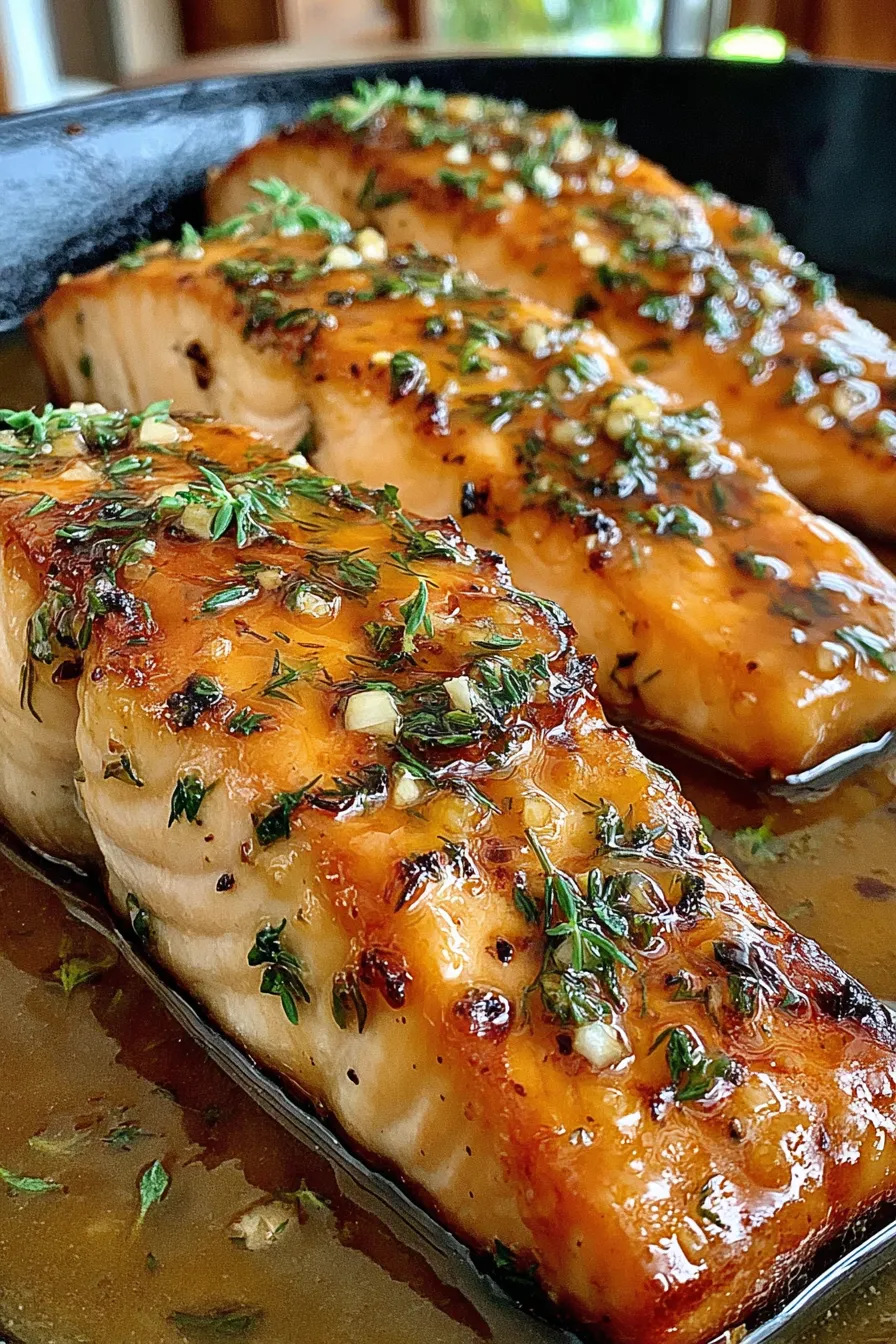
You Must Know
- This dish is high in omega-3 fatty acids and protein while remaining low in carbohydrates — ideal for balanced meals and pescatarian plans.
- Leftovers store well in the refrigerator for up to 3 days; freeze cooked fillets for up to 3 months wrapped tightly to preserve texture.
- For the best texture, cook to medium (125–130°F) and allow a short resting period so juices redistribute — overcooking dries thefish quickly.
- Brush the glaze only in the final minutes to avoid burning the sugars in the honey during prolonged high heat exposure.
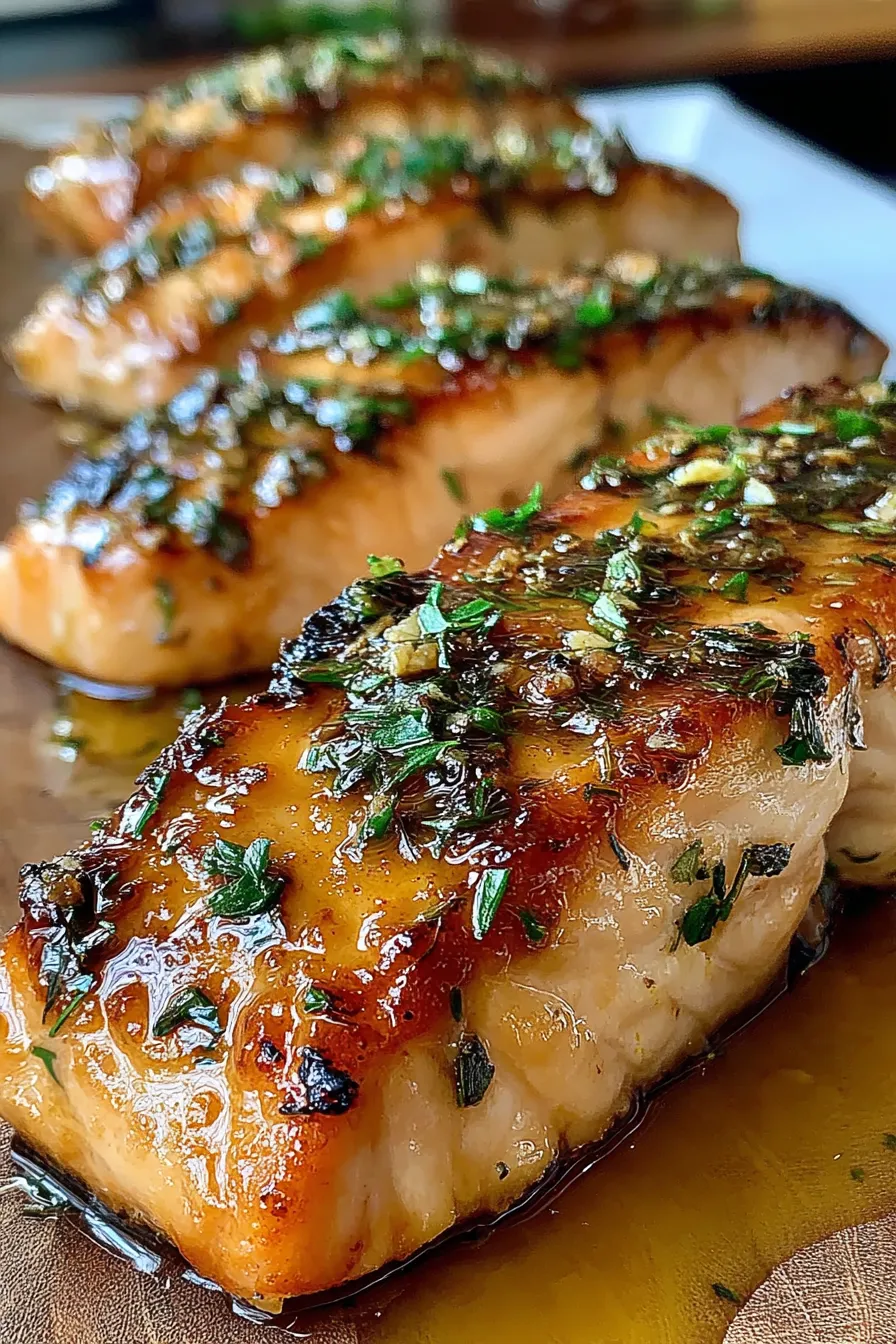
- Use skin-on fillets and high heat to achieve a delicate contrast: crisp skin and silky, flaky flesh.
One of my favorite aspects is how forgiving the recipe is: even cooks who worry about timing can succeed because the glaze protects the surface and the short bake time minimizes drying. I remember serving this during a small outdoor gathering where the grill was fickle — the dish still came out glossy and full of flavor, and everyone complimented the balance between sweet and citrus.
Storage Tips
Store cooked fillets in an airtight container in the refrigerator for up to 3 days. Place a paper towel under the lid to absorb excess moisture if you plan to reheat — this helps keep the skin from becoming soggy. For freezing, wrap each fillet tightly in plastic wrap and place in a freezer bag; keep for up to 3 months. Thaw overnight in the fridge, then reheat gently in a 300°F oven for 8–10 minutes to retain moisture. Avoid microwave reheating when possible; it can make the fish rubbery and unevenly hot.
Ingredient Substitutions
If you don’t have fresh dill, substitute 1 teaspoon dried dill (though fresh is preferred for brightness). Swap lemon juice for 2 teaspoons of apple cider vinegar plus 1 teaspoon water if you need pantry flexibility. Maple syrup works as a honey substitute for a slightly deeper caramel flavor; use the same volume but expect a richer finish. For a garlic boost, replace garlic powder with 1 small clove of finely minced garlic, added to the glaze at the end to avoid scorching.
Serving Suggestions
Pair the fillets with simple sides that complement the glaze: a lemon-herb quinoa, roasted baby potatoes, or a crisp green salad with cucumber and radish. For a Texan flair, serve alongside grilled corn and a light slaw dressed with lime and cilantro. Garnish with extra chopped dill and a thin lemon wheel for visual appeal. This dish also makes a lovely plate for brunch when paired with poached eggs and sautéed spinach.
Cultural Background
While not a traditional Texas Roadhouse item, this preparation draws on the American love of sweet-and-tangy glazes often used on grilled proteins. The combination of honey and citrus is classic in many coastal and Southern cooking traditions where bright acids balance richer proteins. Adding dill leans the flavor toward seafood-specific herb pairings common in coastal American and Scandinavian-inspired approaches, creating a fusion that feels at home on both Texan and coastal menus.
Seasonal Adaptations
In spring and summer, add fresh lemon zest and a teaspoon of shaved cucumber for a cooling twist. In autumn, swap dill for tarragon and replace half the honey with maple syrup for a warmer, woodsy note. Winter calls for heartier sides — serve with roasted root vegetables and a drizzle of the glaze warmed as a finishing sauce. Each seasonal swap subtly shifts the meal’s tone while keeping the core technique intact.
Meal Prep Tips
For meal prep, roast a sheet of salmon fillets and pack into individual airtight containers with a separate compartment of quinoa or roasted veggies. Keep extra glaze in a small jar to brush on right before serving or to reheat with the fish. If cooking for multiple meals, portion fillets into single-serve bags before freezing so you can defrost only what you need. This dish reheats reliably and remains a great option for workday lunches that feel special.
There’s a special kind of satisfaction in serving a simple, bright salmon that looks restaurant-made but takes minimal fuss. Whether you’re feeding a family, prepping lunches, or hosting friends, this honey-lemon fillet has become a staple in my rotation — and I hope it finds a spot on your table too.
Pro Tips
Brush remaining glaze on the fillets during the last 1–2 minutes of cooking to prevent burning the honey.
Aim for an internal temperature of 125–130°F for moist, medium-done fillets; fish continues to cook slightly while resting.
Use skin-on fillets and high heat for contrast between crisp skin and flaky flesh.
If grilling, oil the grate well and use indirect heat if flames flare up from the glaze.
Make the glaze ahead and keep refrigerated up to 24 hours; bring to room temperature before glazing the fish.
This nourishing texas roadhouse salmon honey lemon recipe is sure to be a staple in your kitchen. Enjoy every moist, high protein slice — it is perfect for breakfast or as a wholesome snack any time.
Tags
Texas Roadhouse Salmon Honey Lemon
This Texas Roadhouse Salmon Honey Lemon recipe makes perfectly juicy, tender, and flavorful steak every time! Serve with potatoes and a side salad for an unforgettable dinner in under 30 minutes.
Ingredients
Salmon and Marinade
Instructions
Preheat
Preheat your oven or grill to 375°F (190°C). Line a baking tray with parchment paper or lightly oil it to prevent sticking and to help the skin crisp.
Arrange and Season
Place fillets skin-side down on the tray. Drizzle with olive oil and season generously with salt and freshly ground black pepper to enhance natural flavors and help the glaze adhere.
Make the Glaze
Whisk together lemon juice, honey, garlic powder, and chopped dill in a medium bowl until combined. Taste and adjust sweetness or acidity as needed.
Marinate Briefly
Pour half the glaze over the fillets and let them sit at room temperature for 15 minutes so the flavors penetrate without breaking down the flesh.
Cook
Roast or grill the fillets for 12–15 minutes, or until they flake easily and reach 125–130°F for medium. Thicker fillets may need the longer time; watch the visual cues of opaque color and clean flake.
Finish and Serve
Brush the remaining glaze over the fillets during the final minute, remove from heat, let rest for 2 minutes, and serve warm with extra dill if desired.
Last Step: Please leave a rating and comment letting us know how you liked this recipe! This helps our business to thrive and continue providing free, high-quality recipes for you.
Nutrition
Did You Make This?
Leave a comment & rating below or tag
@delishum on social media!
Categories:
You might also like...
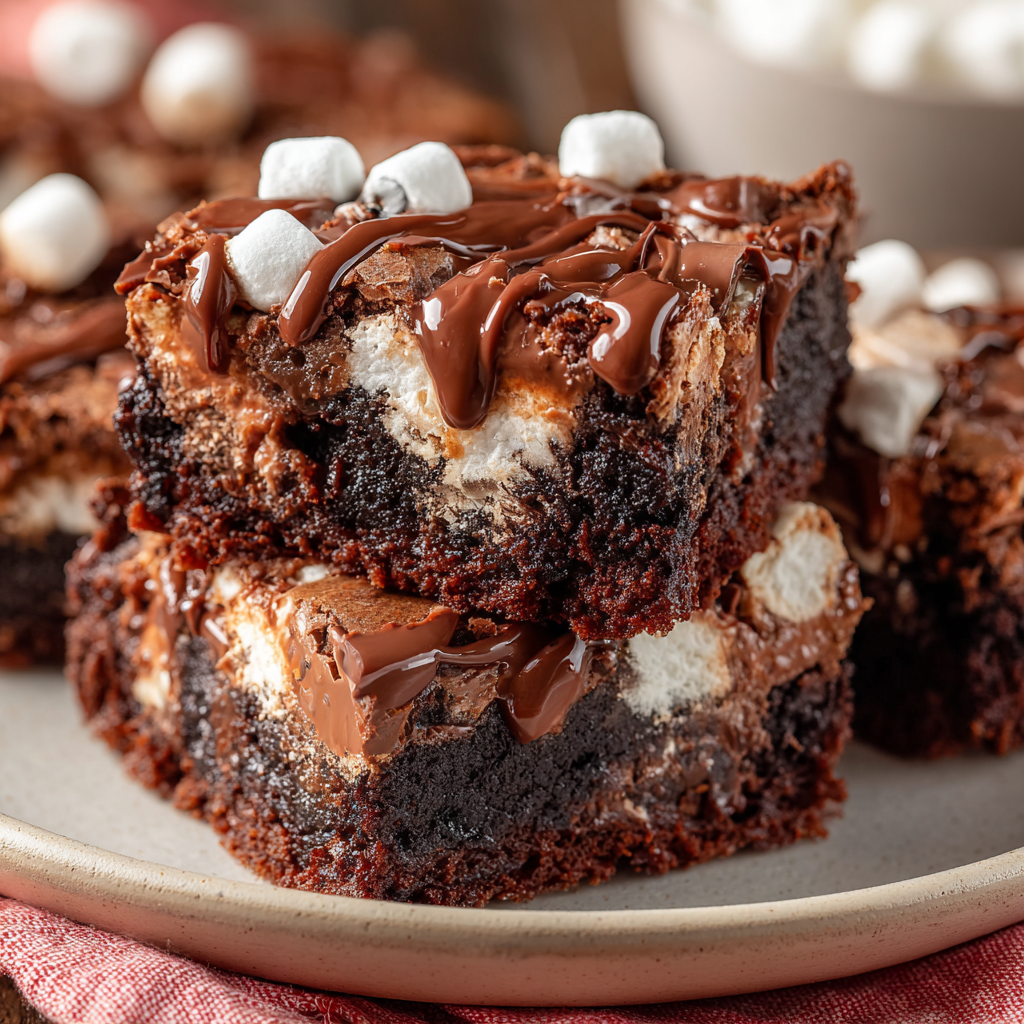
Gooey Marshmallow Chocolate Brownies
Thick chocolate chunk brownies crowned with melted mini marshmallows and drenched in glossy chocolate frosting for the ultimate fudgy, crowd-pleasing bite.
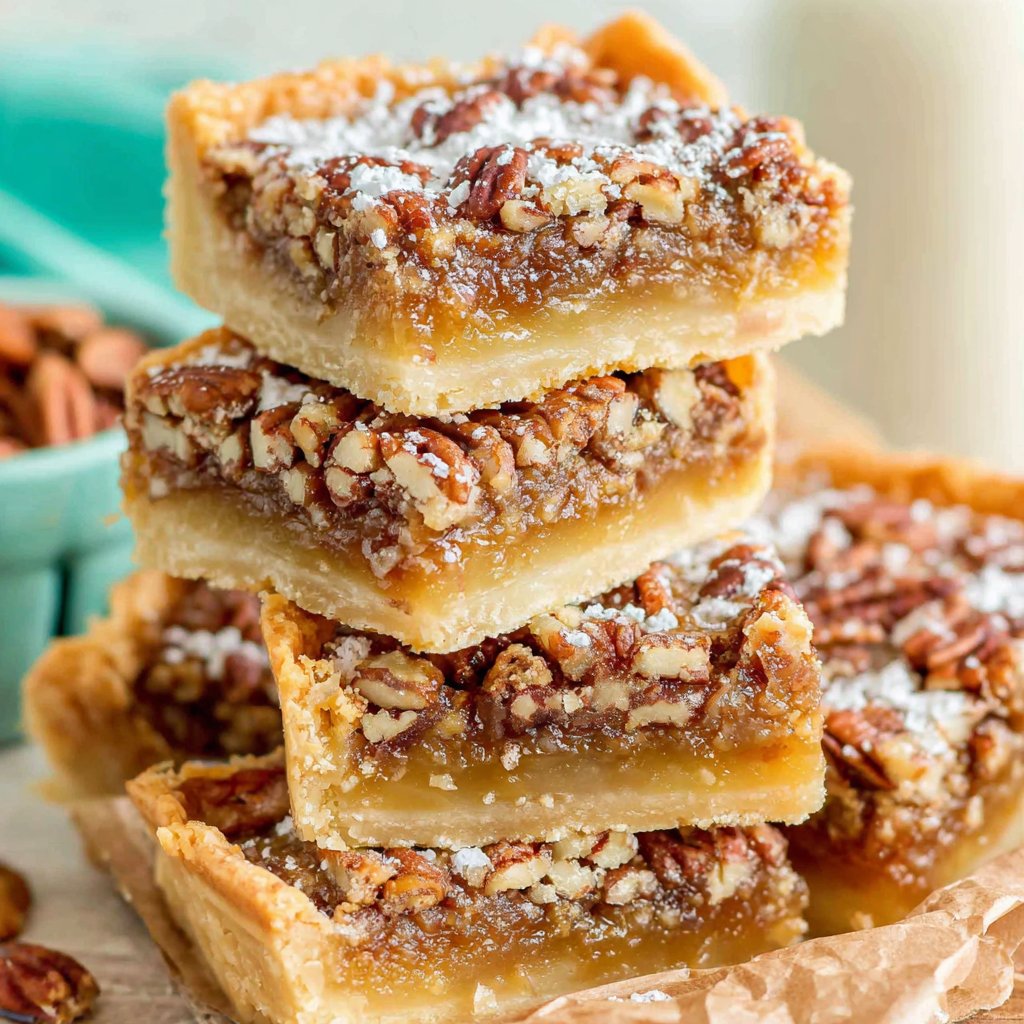
Buttery Pecan Pie Bars
Buttery shortbread crust meets a lush brown sugar pecan topping. Crunchy, caramelly, and ready with just 10 minutes of prep for effortless indulgence.
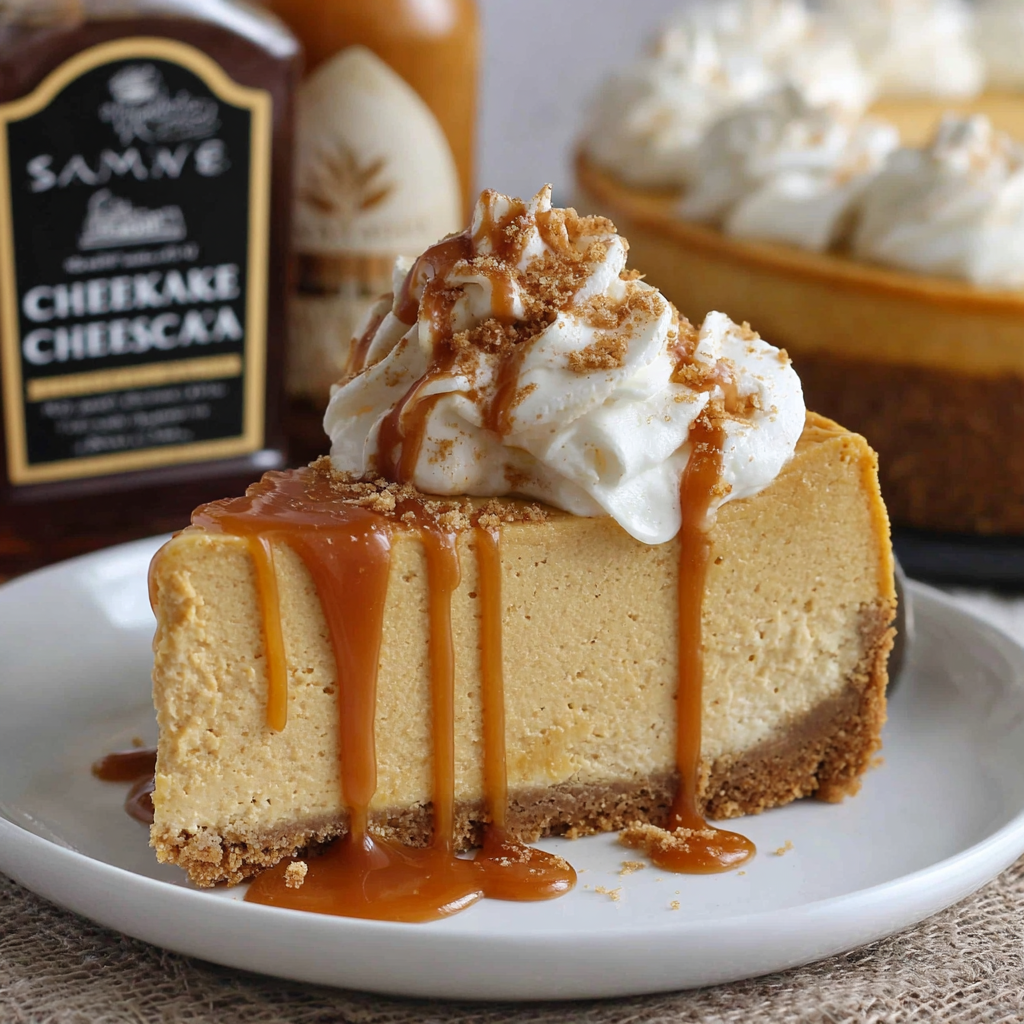
No-Crack Pumpkin Cheesecake
Ultra-smooth pumpkin cheesecake with warm spice and a sturdy graham crust. A showstopper on its own, unforgettable with caramel and rum-kissed whipped cream.
Did You Make This?
Leave a comment & rating below or tag @delishum on social media!
Rate This Recipe
Share This Recipe
Enjoyed this recipe? Share it with friends and family, and don't forget to leave a review!
Comments (1)
This recipe looks amazing! Can't wait to try it.
Comments are stored locally in your browser. Server comments are displayed alongside your local comments.

Hi, I'm Amelia!
What's Popular
30-Minute Meals!
Join to receive our email series which contains a round-up of some of our quick and easy family favorite recipes.