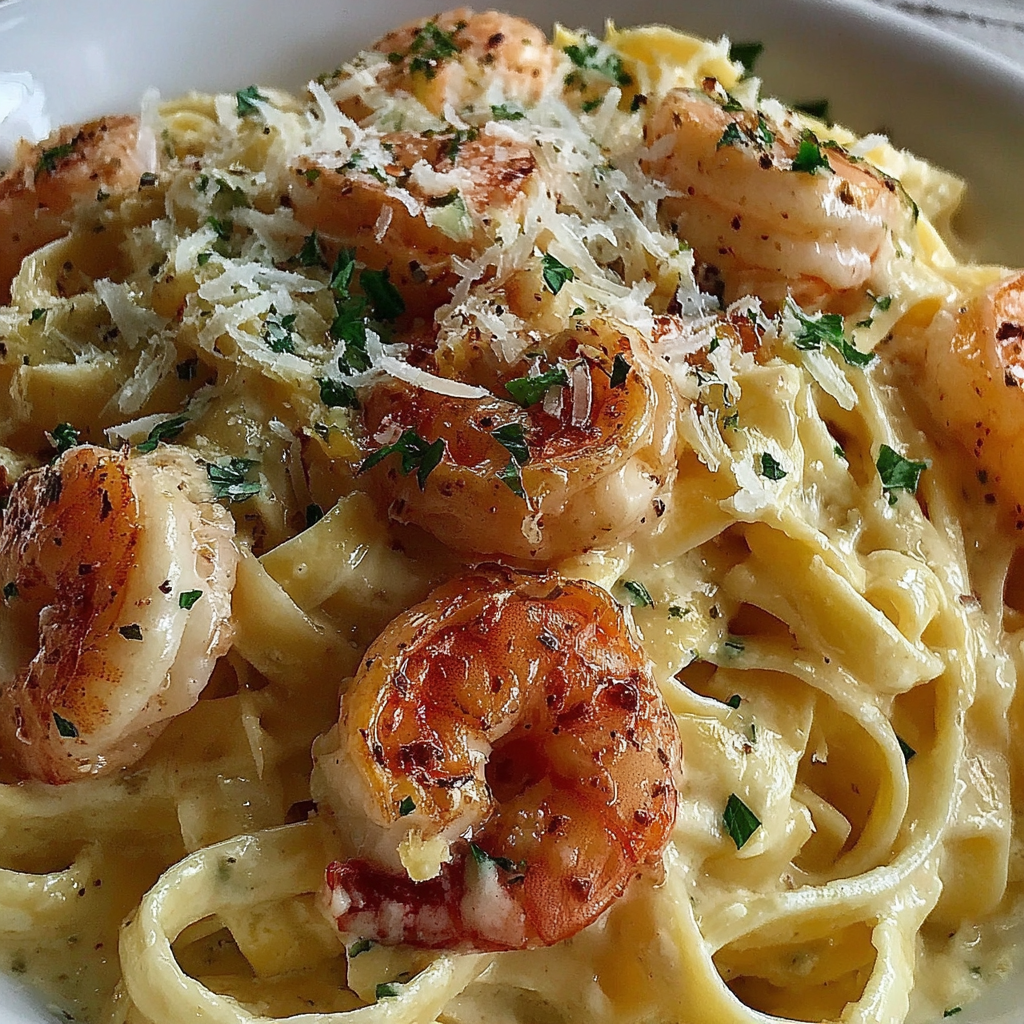
>>

A weeknight lifesaver: ground beef and pasta cooked in one skillet, finished with cream and Parmesan for a rich, comforting meal ready in about 30 minutes.
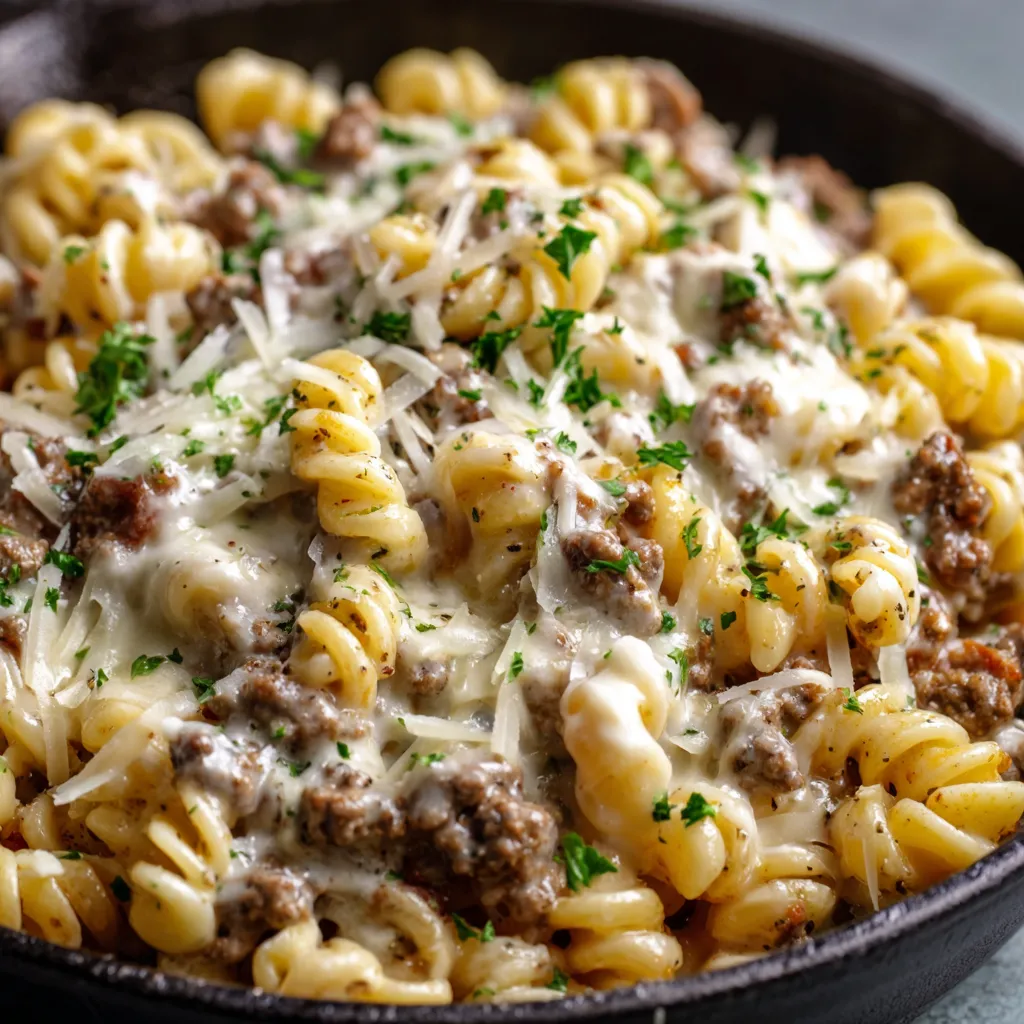
This stovetop creamy ground beef pasta is the kind of dish that turns a hurried weeknight into something warm and satisfying. I first developed this method during a semester when time and energy were in short supply but appetite was not. The idea was simple: cook everything in one pan so cleanup is minimal and flavors have time to marry while the pasta hydrates directly in a savory broth. The result is a creamy, clingy sauce that coats every noodle with meaty flavor and a hint of tomato brightness.
I remember serving this to friends after a late rehearsal and watching everyone go back for seconds without a single complaint. The texture is comforting: tender pasta with little pockets of beef, the sauce creamy but not heavy because it’s built with stock and finished with just enough cream and Parmesan to bring it together. The dish is versatile, forgiving, and easy to scale, which is why it’s become my go-to when I want something delicious without a lot of fuss.
When I first tried this, I used penne and a high-quality grated Parmesan like Parmigiano Reggiano for the finishing saltiness; my family immediately noticed the difference. We often add a handful of baby spinach or a few chili flakes at the end to change the mood of the dish. It’s become the recipe I reach for when I want comfort food that still feels put together.
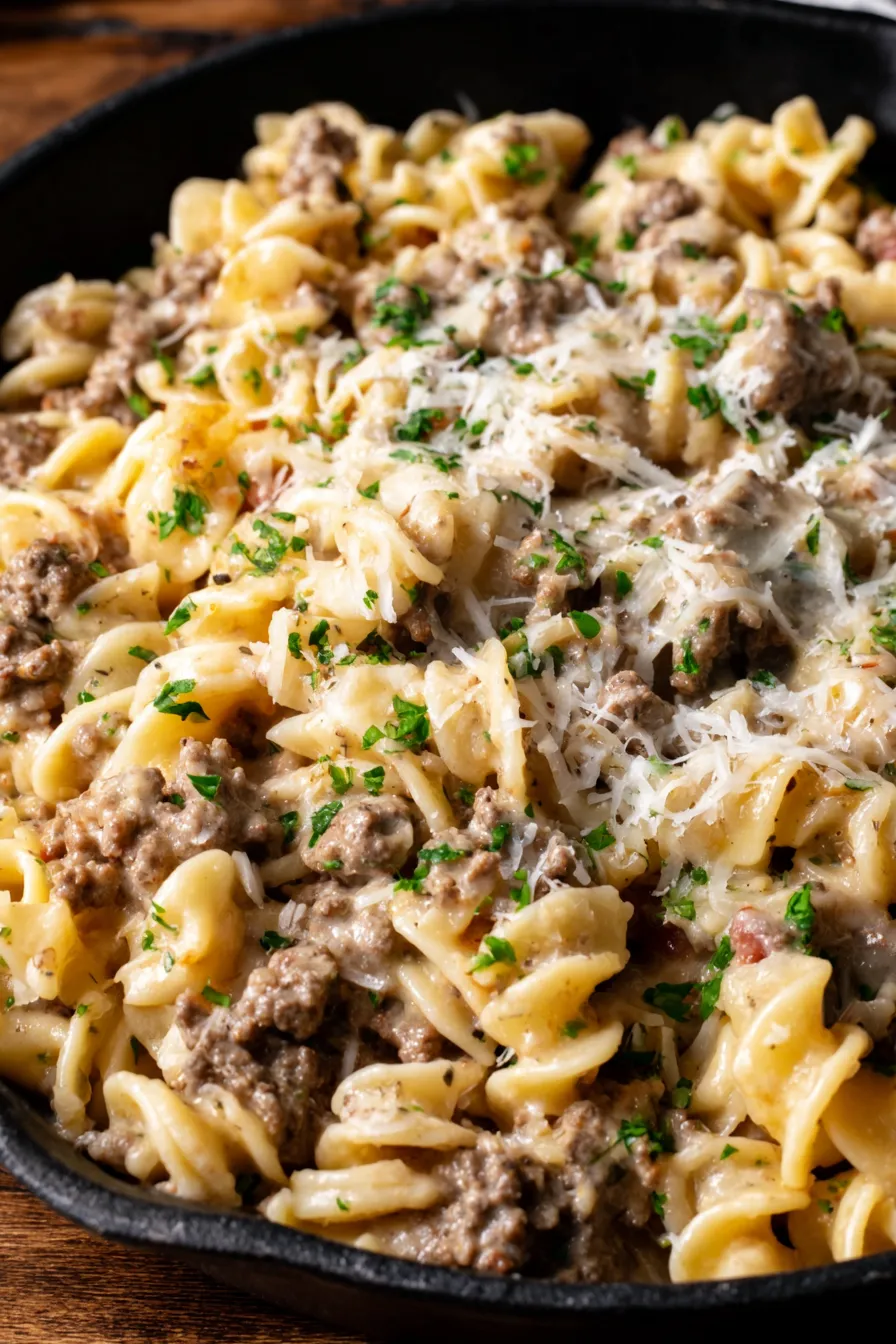
My favorite aspect is how adaptable the dish is. The basic method of cooking pasta directly in flavorful liquid means you can swap proteins or vegetables and maintain the same comforting texture. Family members who usually prefer separate sides now request this as a one-pot main. It’s the kind of meal that reminds me of communal dinners where the pot is passed around and everyone helps themselves.
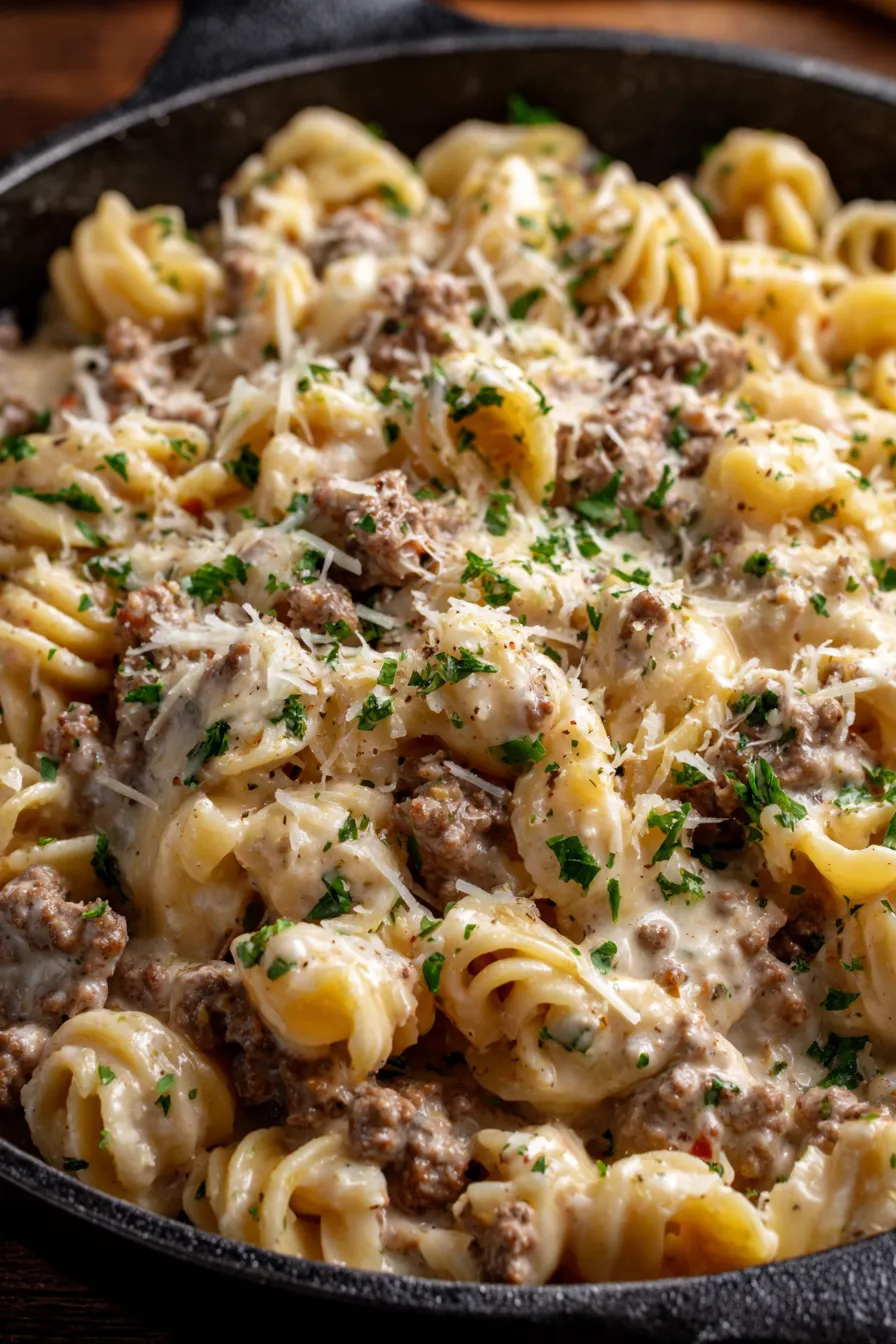
Cool the skillet mixture to room temperature for no more than two hours then transfer to airtight containers. In the refrigerator, the pasta keeps well for about 3 days. To reheat, warm gently on the stovetop over low heat with 2 to 4 tablespoons of beef broth or water per serving to loosen the sauce and return creaminess. Avoid microwaving on high without moisture because the dairy can separate. For freezing, omit the final cream step; freeze cooled portions for up to 2 months and finish with cream after thawing and reheating.
If you need dairy-free options, replace heavy cream with full-fat coconut milk and swap Parmesan for a dairy-free grated alternative or nutritional yeast for a savory note; the flavor will differ but the texture will remain rich. For gluten-free, use a certified gluten-free pasta and ensure your broth is gluten-free. Try ground turkey or chicken in place of beef for a lighter profile; because poultry is leaner, add 1 tablespoon olive oil or a knob of butter during sautéing to maintain succulence. Using crushed tomatoes instead of diced will yield a smoother sauce.
Serve this with a crisp green salad dressed in lemon vinaigrette to cut the richness, or alongside roasted seasonal vegetables such as Brussels sprouts or asparagus. Garnish with additional grated Parmesan, chopped parsley, or a sprinkle of red pepper flakes for heat. For a dinner party, plate individual portions in shallow bowls and add a drizzle of extra-virgin olive oil and a few shavings of Parmigiano Reggiano for an elevated finish.
This one-skillet approach is rooted in practical home cooking traditions where making the most of pantry staples is key. While not a traditional Italian method, it borrows the Italian philosophy of letting pasta starches help create sauce and uses classic flavors like garlic, onion, tomatoes, and Parmesan. It reflects the modern, global pantry: canned tomatoes, dried herbs, and convenience ingredients combined with fresh dairy to recreate comforting, regional-inspired dishes in a weeknight timeframe.
In summer, toss in fresh cherry tomatoes and sweet basil at the end instead of canned tomatoes for brightness, and cut the cream slightly with a squeeze of lemon. In fall and winter, add root vegetables like diced carrots or mushrooms when sautéing the onion for extra heartiness. For holiday gatherings, finish with a splash of cream and fold in roasted garlic for deeper flavor and a more festive presentation.
Cook a double batch and portion into single-serving containers for grab-and-go lunches. If prepping for the week, cook through Step 4 and cool; refrigerate and finish Steps 5 and 6 just before serving so the texture stays fresh. Label containers with date and a reheating note to add 2 tablespoons broth and reheat gently on the stovetop. Use microwave-safe containers if reheating at work and stir halfway through to evenly distribute heat.
This skillet creamy ground beef pasta is modest, adaptable, and reliably delicious—a recipe you’ll return to when you need a fast, flavorful meal that feels like a warm hug. Make it your own by swapping herbs, adding vegetables, or adjusting the cheese; whatever you choose, share a bowl with someone who appreciates good, simple food.
Brown the beef thoroughly to build deep flavor from the Maillard reaction before adding liquids.
If the pasta absorbs the liquid too quickly, add 1/4 cup warm broth at a time rather than cold, which can slow cooking.
For a silkier sauce, grate Parmesan fresh and add it off the heat so it melts without clumping.
Drain canned tomatoes to avoid diluting the cooking liquid and control final sauce consistency.
This nourishing stovetop creamy ground beef pasta recipe is sure to be a staple in your kitchen. Enjoy every moist, high protein slice — it is perfect for breakfast or as a wholesome snack any time.
This Stovetop Creamy Ground Beef Pasta recipe makes perfectly juicy, tender, and flavorful steak every time! Serve with potatoes and a side salad for an unforgettable dinner in under 30 minutes.
Heat 1 tablespoon olive oil over medium-high heat. Add 1 pound ground beef and break it apart. Cook 5 to 7 minutes until deeply browned, then drain excess fat to avoid a greasy sauce.
Add 1 small finely chopped onion and 2 minced garlic cloves to the beef. Sauté 2 to 3 minutes until softened, then stir in 1 teaspoon dried Italian seasoning, 1/2 teaspoon salt, and 1/4 teaspoon black pepper.
Pour in 2 cups beef broth and add the drained 14.5-ounce can of diced tomatoes. Bring to a gentle simmer and cook 3 to 4 minutes to let flavors meld and deglaze the pan.
Add 2 cups uncooked pasta to the skillet, pressing it into the liquid. Reduce heat to medium-low, cover, and cook 10 to 12 minutes, stirring every few minutes and adding a little warm broth if needed until pasta is al dente.
Lower heat to low. Stir in 1/2 cup heavy cream and 1/2 cup grated Parmesan. Simmer gently 2 to 3 minutes until the sauce thickens and coats the pasta.
Remove from heat, adjust seasoning, and top with 1/4 cup chopped parsley and extra Parmesan if desired. Let sit 2 minutes before serving to allow the sauce to settle.
Last Step: Please leave a rating and comment letting us know how you liked this recipe! This helps our business to thrive and continue providing free, high-quality recipes for you.
Leave a comment & rating below or tag
@delishum on social media!

Thick chocolate chunk brownies crowned with melted mini marshmallows and drenched in glossy chocolate frosting for the ultimate fudgy, crowd-pleasing bite.
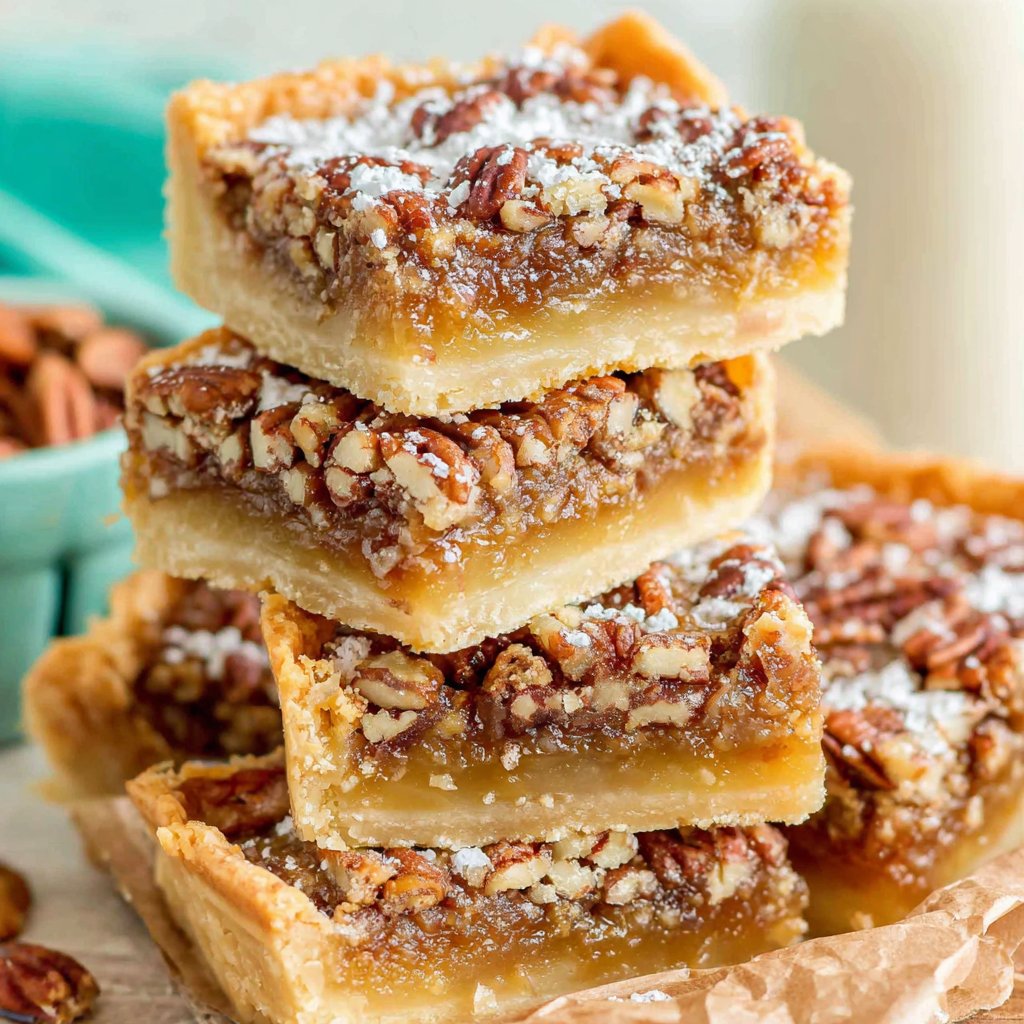
Buttery shortbread crust meets a lush brown sugar pecan topping. Crunchy, caramelly, and ready with just 10 minutes of prep for effortless indulgence.

Ultra-smooth pumpkin cheesecake with warm spice and a sturdy graham crust. A showstopper on its own, unforgettable with caramel and rum-kissed whipped cream.
Leave a comment & rating below or tag @delishum on social media!
Enjoyed this recipe? Share it with friends and family, and don't forget to leave a review!
This recipe looks amazing! Can't wait to try it.
Comments are stored locally in your browser. Server comments are displayed alongside your local comments.

Join to receive our email series which contains a round-up of some of our quick and easy family favorite recipes.