>>

Classic, crunchy hard candy made from simple pantry ingredients—perfect for gift jars, holiday favors, or a nostalgic sweet treat.
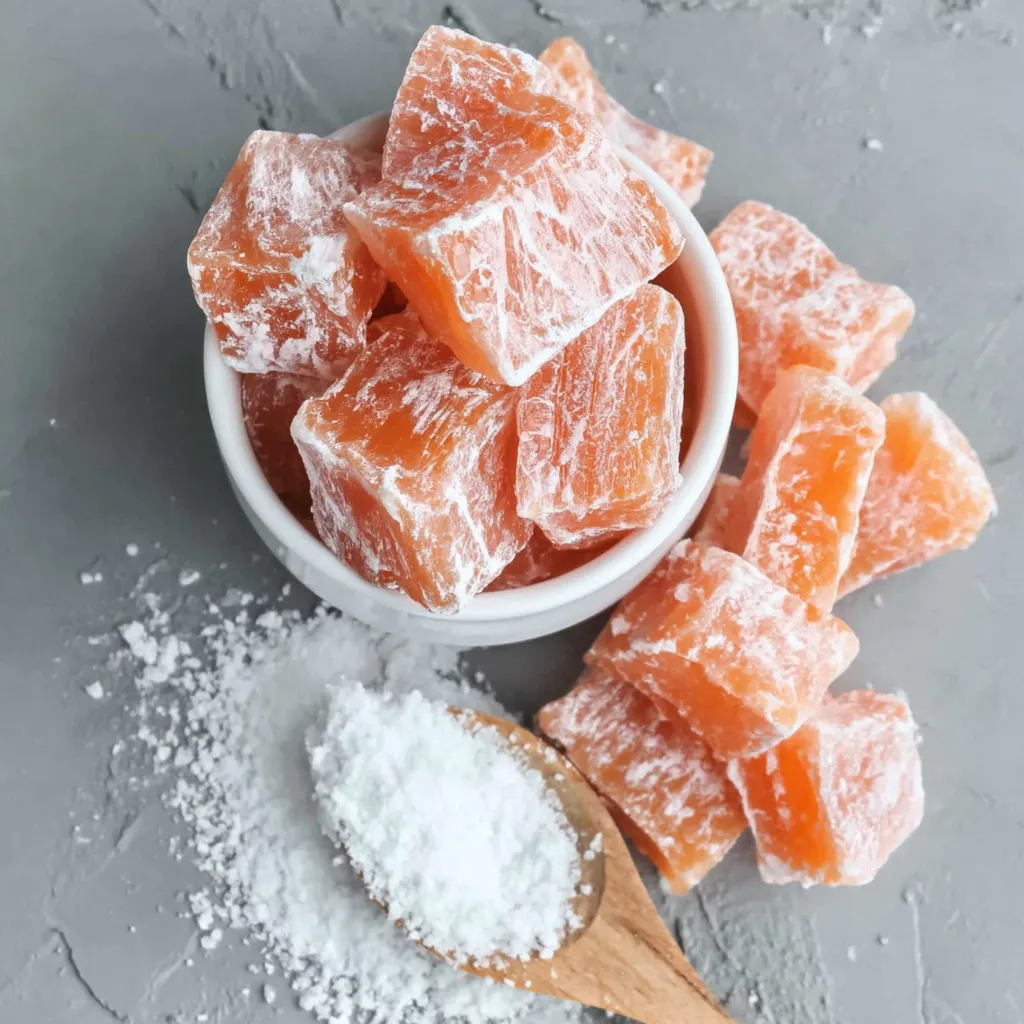
This simple hard candy has been a small obsession of mine ever since I watched my grandmother coax a glossy, glassy sheet of candy from a bubbling pot and cut it into jewel-like pieces. I discovered this method during a snowy weekend when the grocery stores were closed and the pantry was my only option. The result—bright, clear candies with a satisfying brittle snap—felt like sunshine in winter. The texture is crisp and glassy, the flavor pure and focused whether I use a bright lemon, fragrant orange, or warm anise extract. Each bite dissolves slowly, releasing the chosen flavor in stages, and because the candy is made with just sugar, corn syrup, and water, the taste is clean and nostalgic.
I particularly love this recipe because it's approachable: no tempering of chocolate, no complex ratios—just attention to temperature and timing. The process taught me patience and respect for heat; the three-minute covered boil step is a small but crucial hack I learned from a pastry book that prevents unwanted crystallization and keeps the surface perfectly smooth. Making these candies has become a holiday ritual in my kitchen—my children decorate jars for neighbors, and the pantry always holds a small tin for last-minute gift emergencies. The bright colors, crackling snap, and long shelf life make this a versatile treat for celebrations, homemade gift-giving, or simply satisfying a craving for something sweet and beautifully handmade.
My family’s reaction the first time I served these was priceless—my partner tapped a candy to test the snap and the kids debated over which color was the shiniest. Over the years I’ve experimented with extracts and discovered that a touch less than the maximum suggested gives more balanced flavor, while a bolder measure works well when you plan to place candies in boxes or jars and want the flavor to remain noticeable after days of storage.
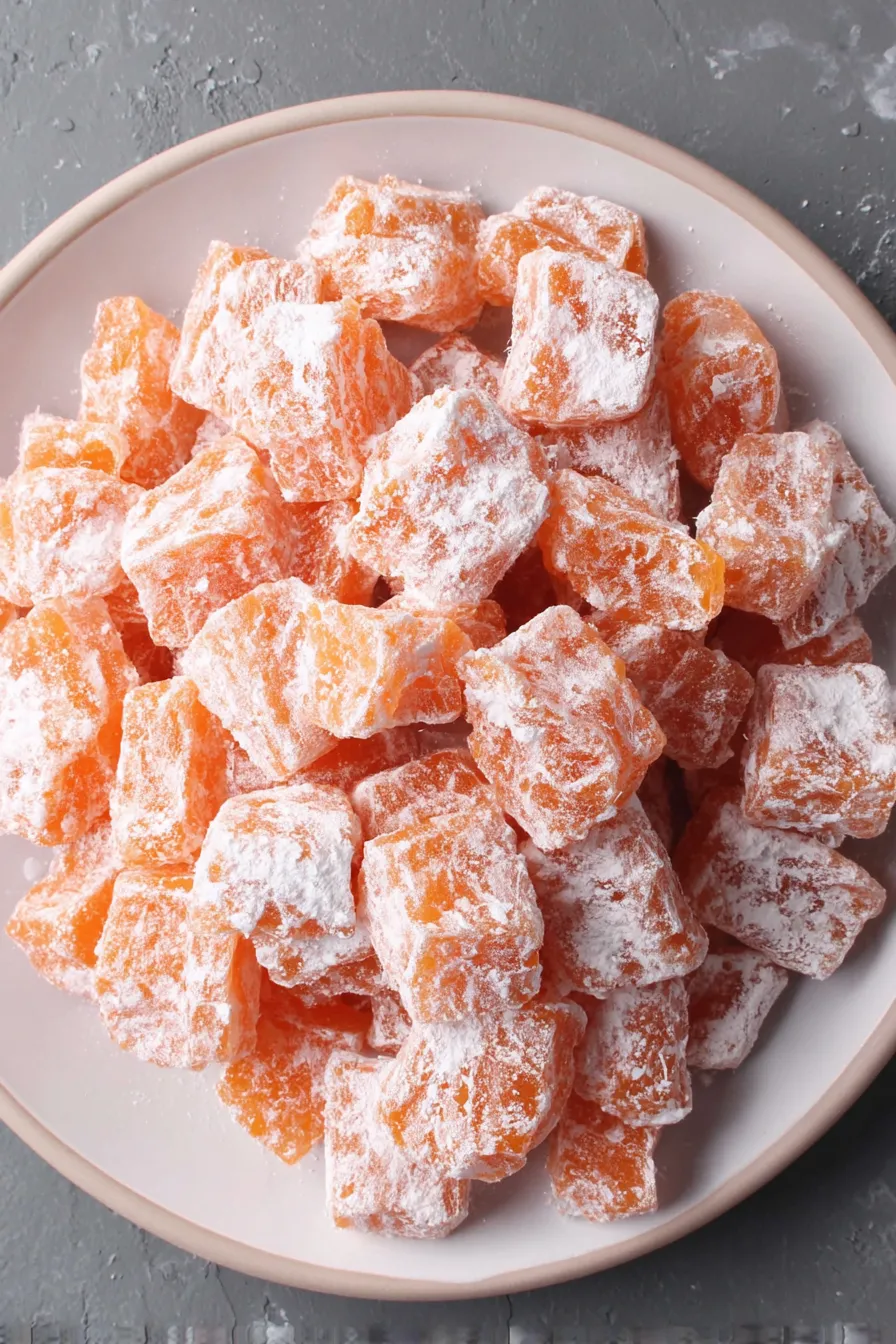
My favorite part of this process is the moment the cooled sheet cracks with a clean, glassy sound—there's something deeply satisfying about the texture. One winter I made several batches in different flavors and packaged them in tiny jars; neighbors called the next day asking for more, and the kids loved comparing colors and flavors. It’s a small tradition now—bright candies always mean festive season in our house.
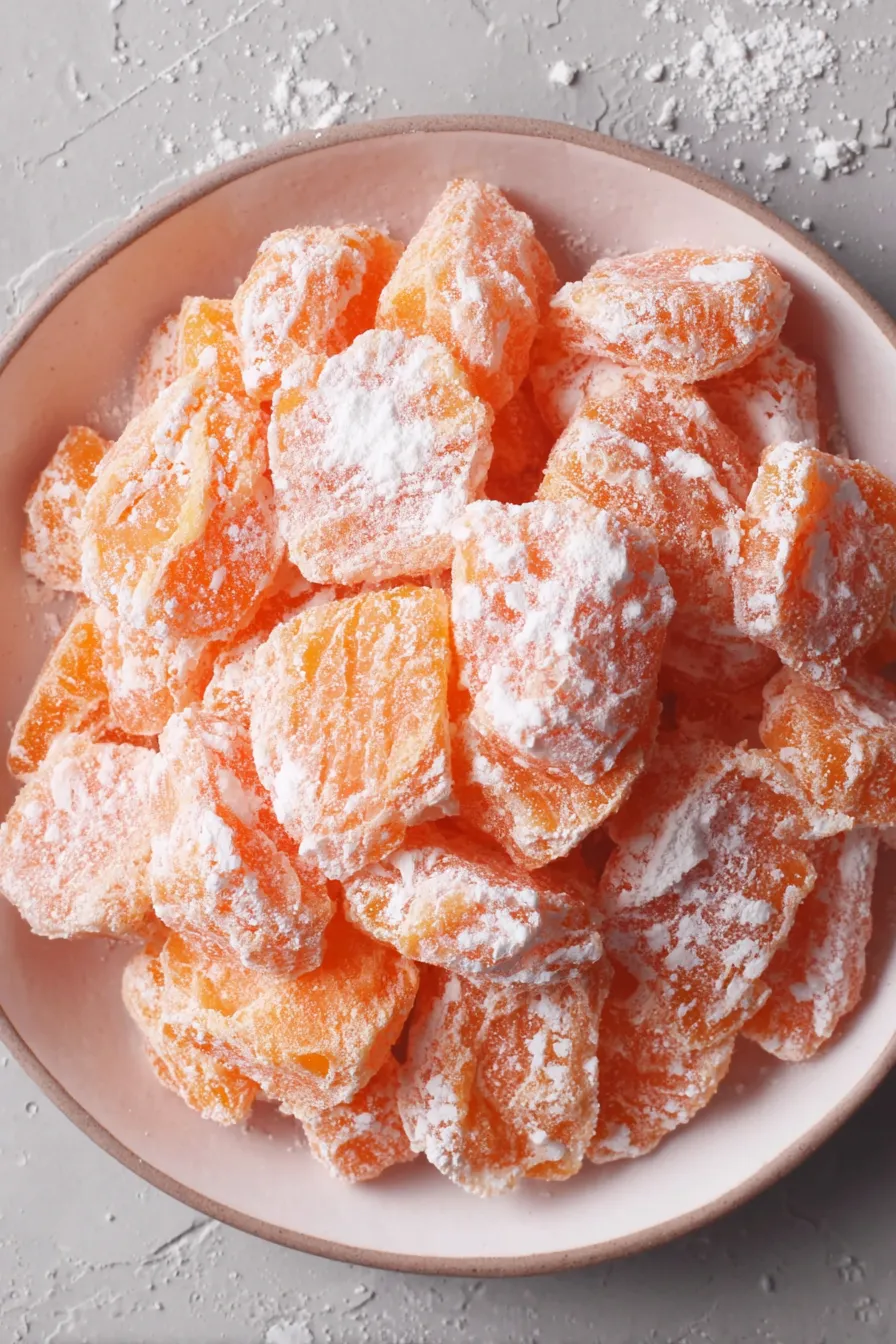
Store candies in a cool, dry place in an airtight container layered with parchment paper to prevent sticking. Do not refrigerate—condensation will make the surface tacky. At room temperature they remain crisp for about 2 weeks; for longer storage freeze in a sealed container for up to 3 months, then allow them to come to room temperature before opening to avoid moisture. If humidity is high, add a small sachet of dry rice wrapped in cloth near (not touching) the candies to help control moisture in the storage container.
If you prefer a different sweetener texture, use light corn syrup as directed; dark corn syrup will change flavor and color. For a sugar-free alternative, this exact method won’t translate—sugar alcohols and artificial sweeteners have different melting and setting behaviors. For flavor swaps, vanilla will produce a mellow candy while peppermint oil (use sparingly) creates a classic minty hard candy. If you only have powdered sugar, use it for dusting but not as a replacement in the syrup. Swap liquid food coloring for gel, using about half the gel quantity to avoid over-saturating the syrup.
Present candies in clear jars or cellophane bags tied with ribbon for an elegant gift. Use complementary colors for events—red and yellow for summer parties, pale orange for autumn gatherings, or clear with a tiny edible glitter for holiday sparkle. Pair citrus-flavored candies with tea service or include anise-flavored pieces in after-dinner mints bowls. For party platters, nestle candies in small paper cups to keep them from sticking to each other.
Hard candy is a timeless confection with roots in simple sugar-boiling traditions found around the world. Classic clear hard candies were often made by street vendors and confectioners who mastered the hard-crack stage to create long-lasting sweets. In many cultures, flavored sugar confections were sold as remedies or breath-fresheners—anise and peppermint have long been used for their digestive and aromatic properties. This recipe echoes those simple, old-fashioned techniques but is adapted for the modern home cook.
For winter holidays, add cinnamon or clove extracts for warm spice notes, and use red or green coloring for festive presentation. In spring, brighter citrus extracts and pastel colors work well. For Halloween, choose deep orange and black colorings and package candies in small treat bags. Adjust the extract amount when making gift jars; slightly stronger flavor helps candies retain character after days in storage.
Make candies in a single session and store them in jars ready to gift or use as treats throughout the season. Prepare the pans and dust them with confectioners' sugar ahead of time, and measure extracts and colorings into small bowls so you can work quickly when the syrup reaches 300°F. Use multiple pans if making different colors or flavors in one go, and keep a bowl of warm water nearby to rinse scissors between cuts if you want two-tone effects.
Making these candies is both practical and joyful—simple ingredients, clear technique, and the pleasure of serving something you made by hand. Give them a try and make the flavors your own; once you master the thermometer and timing, the possibilities are endless.
Use a reliable candy thermometer and make sure the bulb is submerged in the syrup but not touching the pan bottom for accurate readings.
Cover the syrup for three minutes after it reaches a boil to melt stray crystals; this prevents grainy texture.
Work quickly when adding extract and pouring—once the syrup cools it will set rapidly and become difficult to shape.
This nourishing homemade hard candy recipe is sure to be a staple in your kitchen. Enjoy every moist, high protein slice — it is perfect for breakfast or as a wholesome snack any time.
This Homemade Hard Candy recipe makes perfectly juicy, tender, and flavorful steak every time! Serve with potatoes and a side salad for an unforgettable dinner in under 30 minutes.
Pour confectioners' sugar into a 15x10x1-inch pan to a depth of 1/2 inch and create a continuous curved-line indentation with the handle of a wooden spoon to form a pouring groove.
In a large heavy saucepan combine 2 cups granulated sugar, 3/4 cup light corn syrup, and 1/2 cup water. Warm over medium heat, stirring gently until uniform.
When the mixture reaches a boil, cover and cook for 3 minutes without stirring to melt stray crystals and prevent crystallization.
Uncover, increase heat to medium-high, and cook without stirring until the candy thermometer reads 300°F. Remove from heat immediately when reached.
Stir in 1 to 2 teaspoons of chosen extract and desired food coloring quickly once removed from heat. Work fast—the syrup will begin to set.
Pour the hot syrup into a heatproof glass measuring cup, then into the sugar-lined groove. Dust the top with more confectioners' sugar and let cool until firm.
Once cool, use scissors to cut into bite-sized pieces along the indentation and store in a covered container at room temperature up to 2 weeks.
Last Step: Please leave a rating and comment letting us know how you liked this recipe! This helps our business to thrive and continue providing free, high-quality recipes for you.
Leave a comment & rating below or tag
@delishum on social media!

Thick chocolate chunk brownies crowned with melted mini marshmallows and drenched in glossy chocolate frosting for the ultimate fudgy, crowd-pleasing bite.
Buttery shortbread crust meets a lush brown sugar pecan topping. Crunchy, caramelly, and ready with just 10 minutes of prep for effortless indulgence.
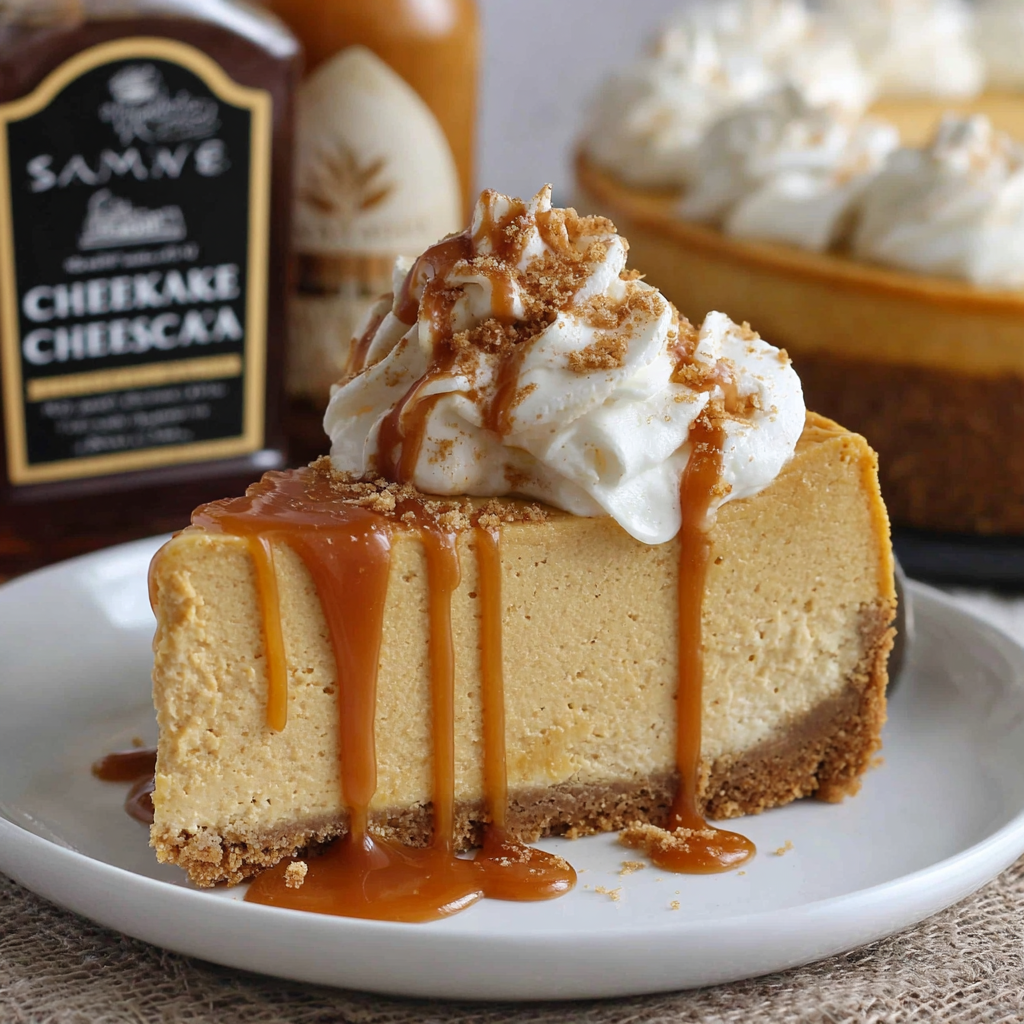
Ultra-smooth pumpkin cheesecake with warm spice and a sturdy graham crust. A showstopper on its own, unforgettable with caramel and rum-kissed whipped cream.
Leave a comment & rating below or tag @delishum on social media!
Enjoyed this recipe? Share it with friends and family, and don't forget to leave a review!
This recipe looks amazing! Can't wait to try it.
Comments are stored locally in your browser. Server comments are displayed alongside your local comments.

Join to receive our email series which contains a round-up of some of our quick and easy family favorite recipes.