
Easy No-Knead Yeast Bread

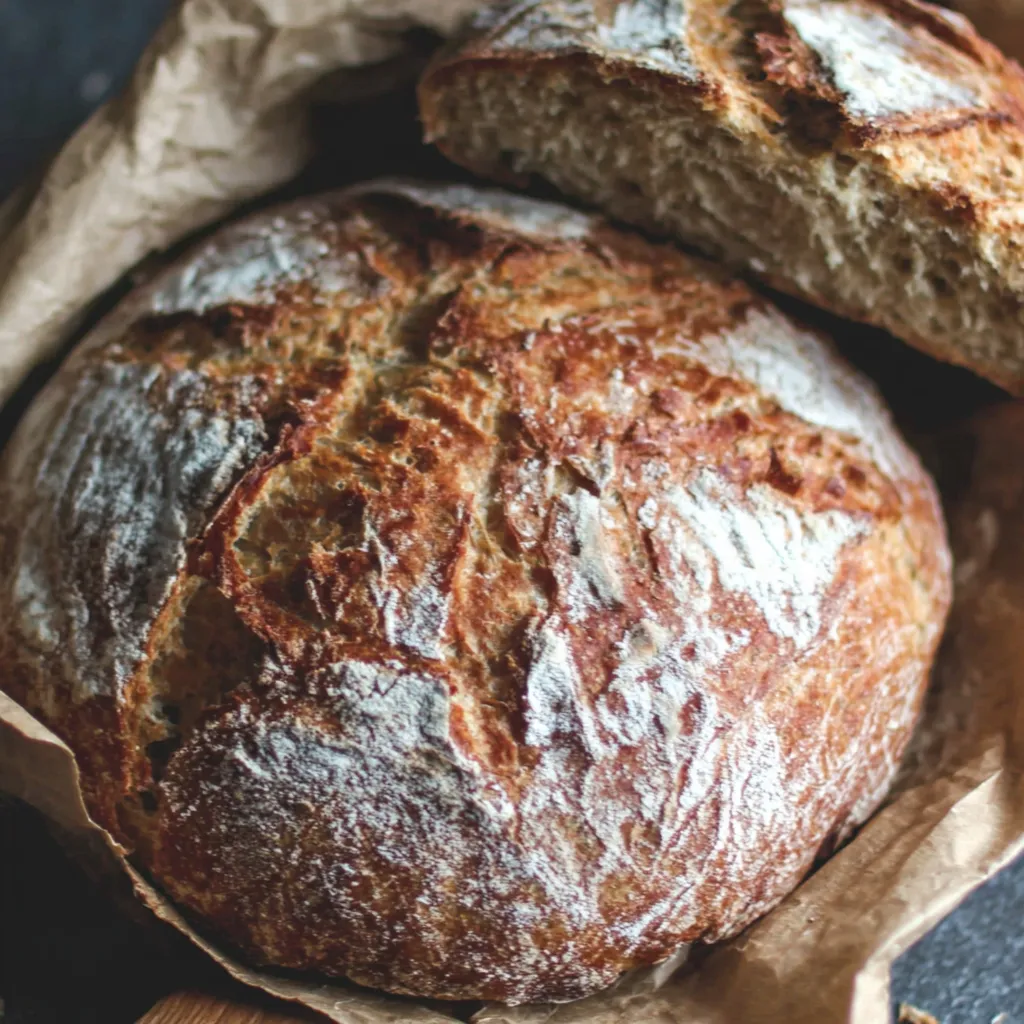
A foolproof no-knead loaf that yields a crisp crust and tender crumb with minimal hands-on time. Perfect for beginners and weekend bakers alike.
Why You'll Love This Recipe
- This method is low-effort and high-reward, ready with about 1 hour 50 minutes from start to finish but just 15 to 20 minutes active time. It uses pantry staples you likely already have.
- The no-knead process relies on time, not muscle, so beginners can achieve an artisan-style crust and an open crumb with minimal technique required.
- You can make the dough in a stand mixer with a dough hook or by hand; both produce excellent results which makes this adaptable to any kitchen setup.
- The recipe is versatile: swap flours or add seeds, herbs, or olives for variety. It also scales easily to make one large loaf that slices beautifully for sandwiches or toast.
- Because the loaf bakes in a covered Dutch oven, steam is trapped, producing a crisp, blistered crust similar to bakery loaves without special equipment beyond a heavy pot and lid.
- It freezes well. Bake once, slice, and freeze portions for quick breakfasts and lunches on busy days.
My family always notices when I skip a step or change a ratio. When I substituted half the bread flour with whole wheat the first time, everyone loved the deeper flavor and asked for that version specifically. The simplicity of the method means I tinker with mix-ins like rosemary or sunflower seeds without risking failure.
Ingredients
- Active dry yeast: One standard packet equals 2 1/4 teaspoons. Use a fresh packet for reliable rise; if you buy bulk yeast, measure carefully and keep it airtight in the refrigerator for longevity. Yeast gives lift and subtle fermentation flavor.
- Warm water: 1 1/4 cups at about 100 degrees Fahrenheit. Warm water wakes the yeast without killing it; use a thermometer to be precise. If you don’t have one, aim for pleasantly warm to the wrist.
- Granulated sugar: 1 teaspoon to feed the yeast during proofing. The tiny amount speeds the initial bloom and encourages a vigorous foam for predictable results.
- Bread flour: 2 cups. Higher protein than all-purpose flour, it helps create structure and a chewier crumb. King Arthur or another reliable brand yields consistent texture.
- Whole wheat flour: 1 cup. Adds nutty flavor and extra fiber. If you prefer a lighter loaf, replace with all-purpose but expect slightly less depth in taste.
- Sea salt or kosher salt: 1 1/4 teaspoons. Salt controls fermentation and enhances flavor; use measured teaspoons rather than a pinch for balance.
- Extra bread flour: For dusting and adjusting stickiness as you shape. A tablespoon or two may be needed if the dough feels wet after rising.
Instructions
Prep the yeast: In the bowl of a stand mixer fitted with the dough hook, dissolve 1 packet (2 1/4 teaspoons) active dry yeast in 1 1/4 cups warm water (about 100 degrees Fahrenheit). Stir in 1 teaspoon granulated sugar and let rest for 5 to 10 minutes until foamy. A foamy top confirms active yeast. Combine flours and salt: Whisk 2 cups bread flour, 1 cup whole wheat flour, and 1 1/4 teaspoons salt together in a separate bowl. Even distribution of salt prevents localized inhibition of yeast; whisk well so the mixture is homogeneous before adding to the liquid. Mix flours into yeast mixture: Add the flour blend to the mixing bowl a small portion at a time while mixing on low speed. Once all flour is incorporated, increase speed and mix until the dough starts to pull away from the sides. If sticky, add bread flour 1 tablespoon at a time until manageable but still tacky. Mixing by hand (optional): If you don’t have a mixer, stir until the ingredients just come together and a smooth dough forms. The goal is minimal handling; resist vigorous kneading. A few folds in the bowl will create strength over the long rest. First rise: Grease a large bowl lightly with oil. Place the dough in the bowl, cover with plastic wrap, and put in a warm spot until doubled, about 1 1/2 hours. The dough should feel relaxed and not overly springy when it has risen enough. Shape and second rise: Lightly flour a clean counter and gently turn the dough out without deflating it excessively. Pull the corners toward the center to round it, then dust the bowl with flour and return the dough seam-side up. Cover with a tea towel and let it rise while the oven preheats. Preheat Dutch oven and oven: Place a covered 3 1/2-quart heavy ovenproof Dutch oven (9 inches diameter) with the lid on in the oven and preheat to 460 degrees Fahrenheit. Heat the pot for 30 minutes so it is smoking hot; the thermal mass traps steam and creates a crisp crust. Transfer to parchment: Lay a sheet of parchment paper on your counter about the length of a baking sheet and dust with flour. Flip the loaf seam-side up onto the paper, coaxing it into a round shape but don’t worry about perfection; rustic shape is part of the charm. Load the pot and first bake: Carefully remove the heated pot from the oven and uncover. Using the parchment corners, lift the dough into the pot seam-side up. Sprinkle a little flour on top if needed. Replace the lid and bake covered for 30 minutes to trap steam and set the crust. Finish baking uncovered: Remove the lid and continue baking until the loaf is deep golden to dark brown, 15 to 20 minutes more. The internal temperature should reach about 205 degrees Fahrenheit for a fully baked crumb; the crust will be crisp and blistered. Cool and slice: Use the parchment to lift the loaf from the pot onto a wire rack. Cool completely before slicing to allow the crumb to set; cooling prevents the loaf from becoming gummy when cut.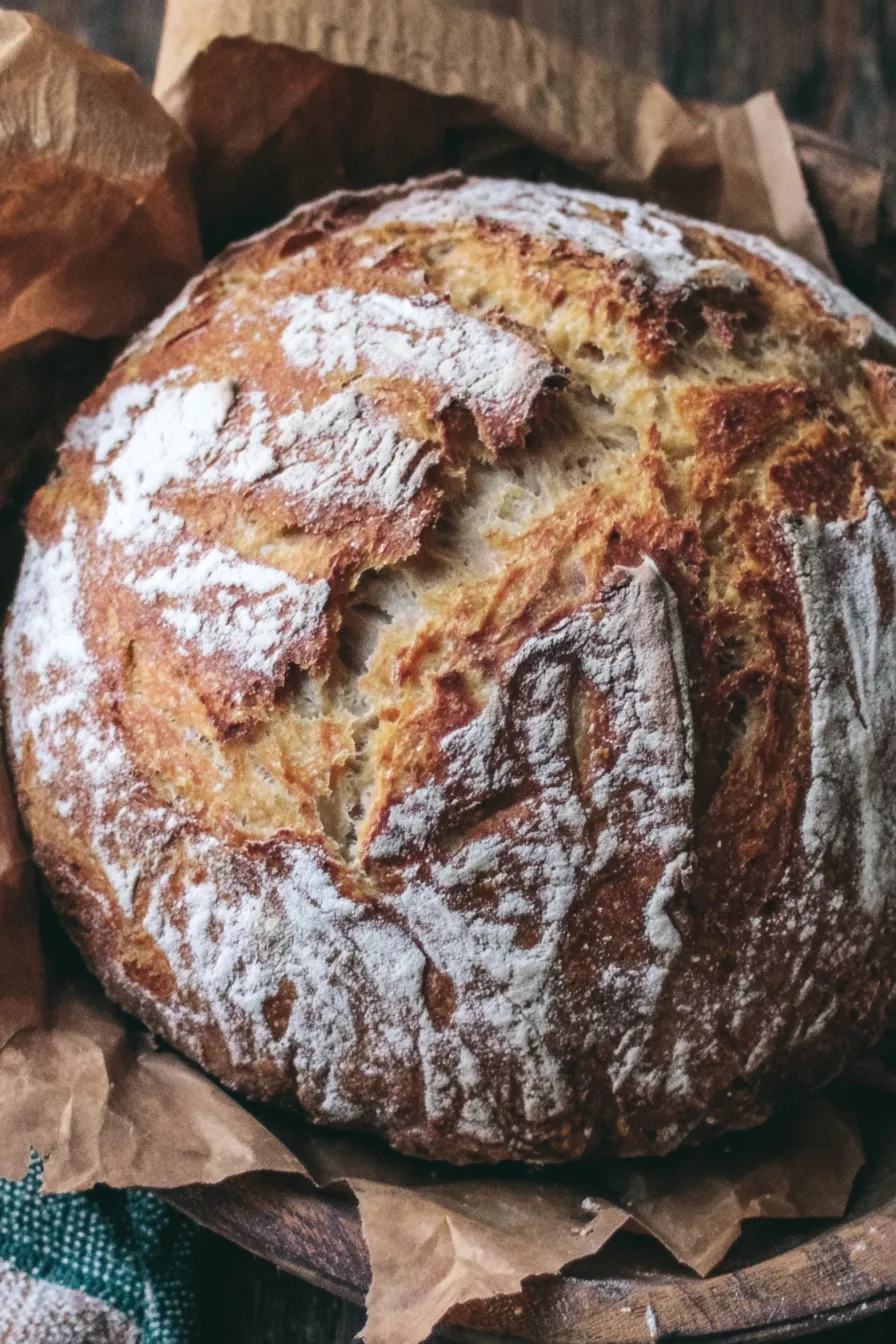
You Must Know
- The dough is intentionally slightly sticky; adding too much flour will yield a denser loaf. Use small adjustments of a tablespoon to correct texture.
- Baking in a hot covered pot generates steam which is essential for crust development, so do not skip preheating the Dutch oven for the full 30 minutes.
- This loaf freezes well. Slice when fully cooled and freeze in a sealed container for up to 3 months; toast slices from frozen for best texture.
- Because this recipe includes wheat, it is not suitable for those avoiding gluten. It contains no dairy or eggs unless you choose to add them as variations.
- Timing depends on ambient temperature; cooler kitchens may need longer first rise—look for dough that has roughly doubled, not strictly the clock time.
What I love most here is how reliably the method produces bakery-like results. I’ve taught friends who were nervous about baking, and they were amazed at the crust and aroma after their first attempt. The scent of the loaf filling the house is one of those small domestic pleasures that seems to slow everything down for a moment.
Storage Tips
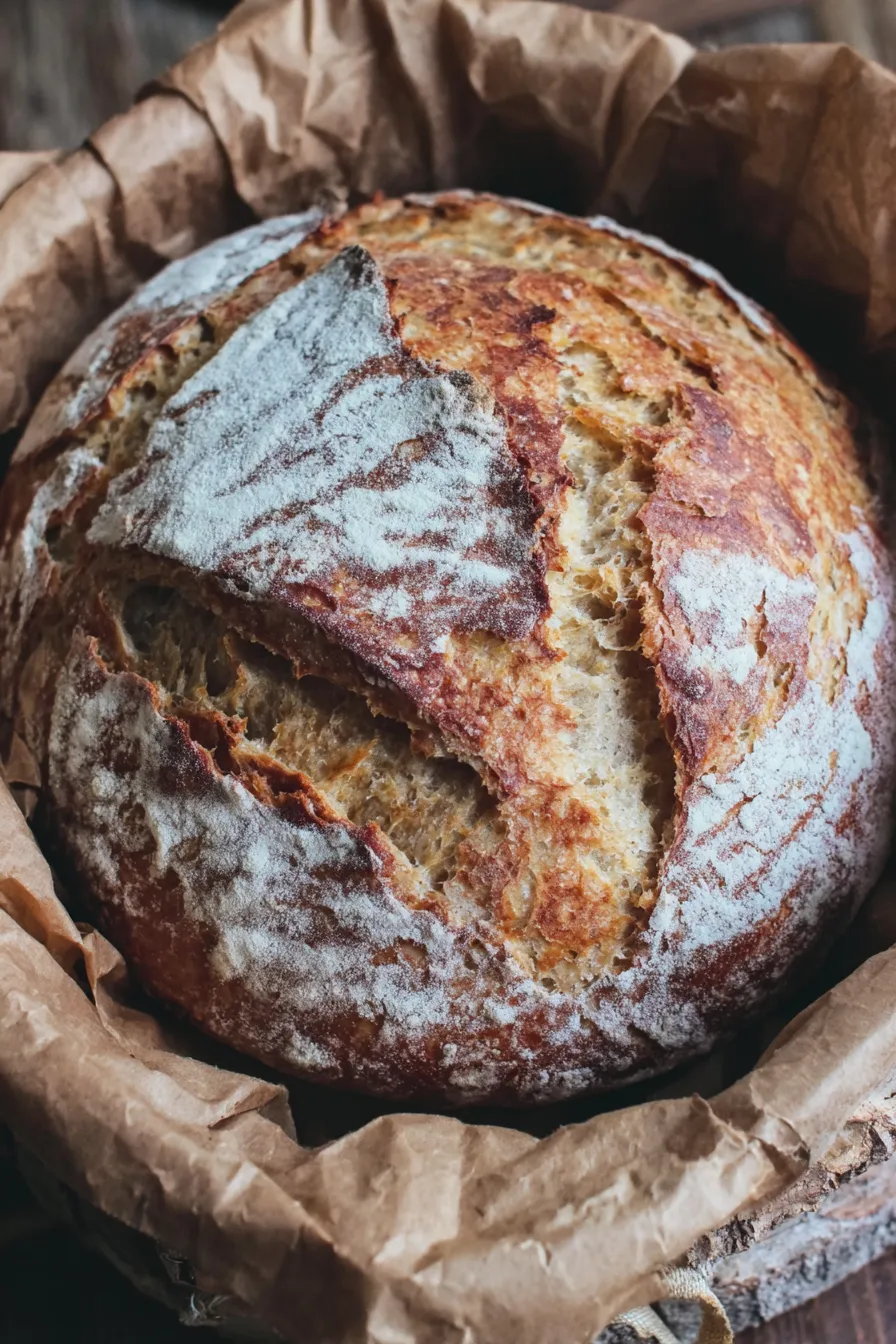
Store the cooled loaf at room temperature in a paper bag or loosely wrapped in a clean tea towel for up to two days to preserve crust crispness. For longer keeping, slice and store in a resealable plastic bag in the freezer for up to three months. Re-crisp slices in a toaster or under a hot broiler for 1 to 2 minutes; whole loaves reheat at 325 degrees Fahrenheit wrapped loosely in foil for about 10 to 15 minutes.
Ingredient Substitutions
If you prefer a lighter loaf, replace the whole wheat with 1 cup all-purpose flour. For more chew and flavor, use 100 percent bread flour. To accommodate a gluten-free diet, this technique requires a specialized blend and xanthan gum plus adjusted hydration; expect a different crumb. Replace sugar with a teaspoon of honey for mild flavor variation and to feed yeast similarly.
Serving Suggestions
This loaf is ideal for thick-cut toast with butter and jam, open-faced sandwiches with roasted vegetables, or paired with stews and soups. For a casual brunch, serve with whipped ricotta and honey, or slice thin for classic grilled cheese. Garnish with sea salt flakes and a drizzle of olive oil for a simple appetizer plate.
Cultural Background
While this particular approach is a modern adaptation of traditional hearth baking, the technique relies on time and steam—methods used in many bread traditions across Europe. The no-knead method gained popularity for home bakers because it mimics slow fermentation principles once only possible in professional bakeries. It bridges rustic country loaves and contemporary home convenience.
Seasonal Adaptations
In cooler months, increase whole wheat to add heartiness and fold in chopped toasted walnuts for a winter loaf. Spring and summer benefit from bright additions such as lemon zest and chopped rosemary or sundried tomatoes and olives for Mediterranean flair. Adjust hydration slightly when adding dense inclusions to maintain an open crumb.
Meal Prep Tips
Make dough the night before and refrigerate for a slow, overnight rise to deepen flavor. Bring to room temperature before shaping and baking. For grab-and-go breakfasts, slice and freeze individual portions. Toast from frozen and top with nut butter or avocado for quick, nutritious meals through the week.
This loaf invites personalization—once you master the basic formula, small tweaks produce entirely new results. Enjoy the process and the inevitable applause when you pull a warm loaf from the oven at home.
Pro Tips
Measure flour by spooning it into the cup and leveling with a knife to avoid adding too much which leads to a dense loaf.
Preheat the Dutch oven for the full 30 minutes to ensure proper crust formation and steam retention.
Allow the dough to double in size rather than strictly following the clock; dough behavior is a better indicator than time alone.
If the dough is very sticky, add bread flour a tablespoon at a time while mixing until it pulls away from the bowl.
This nourishing easy no-knead yeast bread recipe is sure to be a staple in your kitchen. Enjoy every moist, high protein slice — it is perfect for breakfast or as a wholesome snack any time.
FAQs about Recipes
Can I use instant yeast instead of active dry yeast?
Yes. Use 1 packet (2 1/4 teaspoons) active dry yeast and warm water about 100 degrees Fahrenheit. Proof for 5–10 minutes until foamy.
How long should I cool the loaf before slicing?
Cool completely on a wire rack before slicing to prevent a gummy crumb; for best texture wait at least one hour.
Tags
Easy No-Knead Yeast Bread
This Easy No-Knead Yeast Bread recipe makes perfectly juicy, tender, and flavorful steak every time! Serve with potatoes and a side salad for an unforgettable dinner in under 30 minutes.
Ingredients
Dough
Finish
Instructions
Prep the yeast
Dissolve the yeast in warm water (100 F) with sugar and let it proof for 5 to 10 minutes until foamy. A foamy bloom verifies active yeast and predictable fermentation.
Combine flours and salt
Whisk bread flour, whole wheat flour, and salt together to ensure even distribution. Proper mixing prevents pockets of salt and creates consistent hydration during mixing.
Mix flours into yeast mixture
Add the flour mixture to the mixer on low speed a bit at a time. Increase speed once incorporated and mix until the dough pulls away from the bowl, adding flour by tablespoon if too sticky.
Mix by hand (optional)
If mixing by hand, stir until a smooth dough forms and perform a few gentle folds in the bowl. Minimal handling preserves dough fermentation and produces an open crumb.
First rise
Grease a large bowl, place the dough inside, cover with plastic wrap, and let it double in a warm place for about 1 1/2 hours. Look for dough that is relaxed rather than overly springy.
Shape and second rise
Turn dough onto a floured counter, pull corners to form a round, then place seam-side up back in a lightly floured bowl. Cover with a towel and let it rise while the oven heats.
Preheat oven and Dutch oven
Preheat the oven to 460 degrees Fahrenheit with a covered 3 1/2-quart Dutch oven inside for 30 minutes. A thoroughly heated pot provides the necessary steam environment when baking.
Transfer to parchment and load pot
Flip the loaf onto parchment paper, shape into a round, then lift using the parchment and place seam-side up into the preheated pot. Replace the lid quickly to trap steam.
Bake covered
Bake covered for 30 minutes to set the crust using trapped steam. This initial covered bake produces a crisp exterior with a tender interior.
Uncover and finish baking
Remove the lid and bake 15 to 20 minutes more until the crust is deep brown. For a fully developed crumb, aim for an internal temperature of about 205 F.
Cool and slice
Lift the loaf out using the parchment, cool completely on a wire rack, and then slice. Cooling prevents a gummy crumb and yields the best texture when serving.
Last Step: Please leave a rating and comment letting us know how you liked this recipe! This helps our business to thrive and continue providing free, high-quality recipes for you.
Nutrition
Did You Make This?
Leave a comment & rating below or tag
@delishum on social media!
Categories:
You might also like...
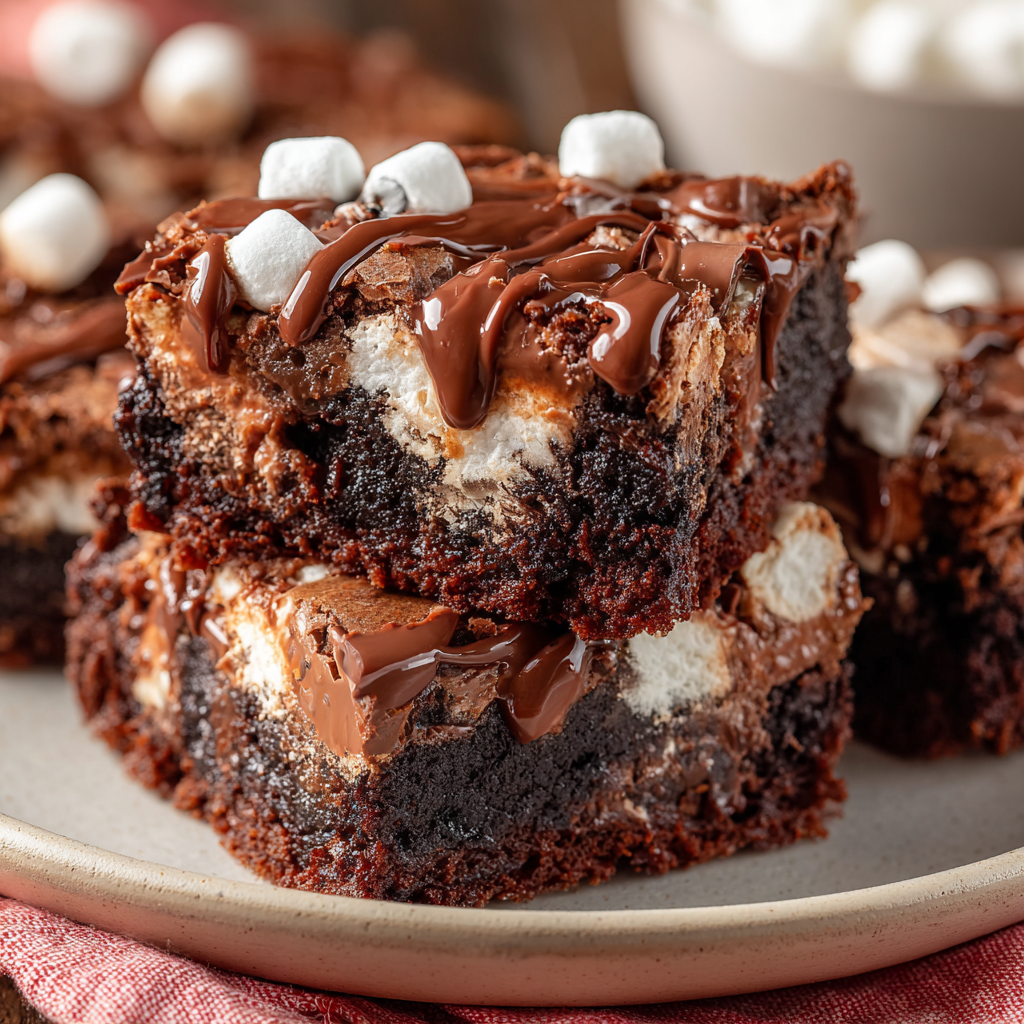
Gooey Marshmallow Chocolate Brownies
Thick chocolate chunk brownies crowned with melted mini marshmallows and drenched in glossy chocolate frosting for the ultimate fudgy, crowd-pleasing bite.
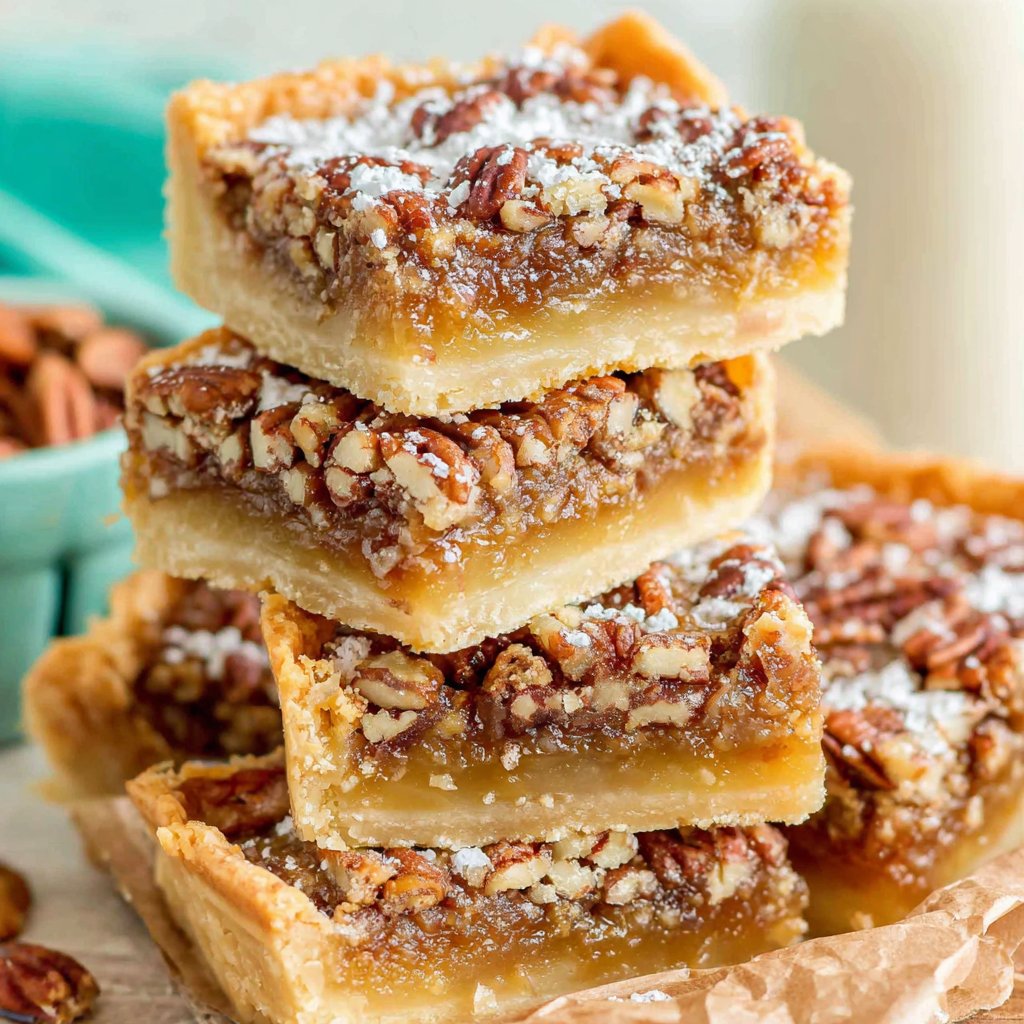
Buttery Pecan Pie Bars
Buttery shortbread crust meets a lush brown sugar pecan topping. Crunchy, caramelly, and ready with just 10 minutes of prep for effortless indulgence.
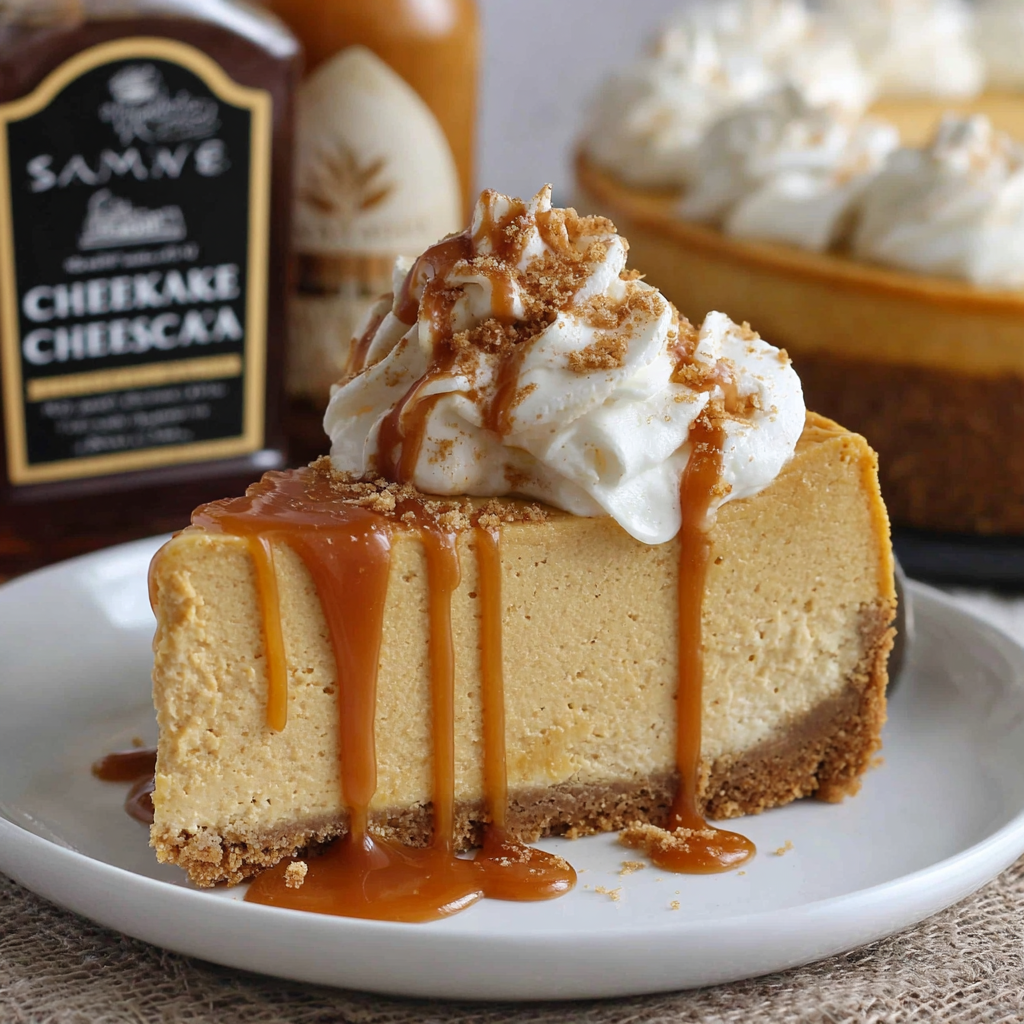
No-Crack Pumpkin Cheesecake
Ultra-smooth pumpkin cheesecake with warm spice and a sturdy graham crust. A showstopper on its own, unforgettable with caramel and rum-kissed whipped cream.
Did You Make This?
Leave a comment & rating below or tag @delishum on social media!
Rate This Recipe
Share This Recipe
Enjoyed this recipe? Share it with friends and family, and don't forget to leave a review!
Comments (1)
This recipe looks amazing! Can't wait to try it.
Comments are stored locally in your browser. Server comments are displayed alongside your local comments.

Hi, I'm Amelia!
What's Popular

30-Minute Meals!
Join to receive our email series which contains a round-up of some of our quick and easy family favorite recipes.