>>

Sweet, tangy, and impossibly simple: arctic char fillets glazed with a brown sugar–Dijon topping for a weeknight dinner that feels special.
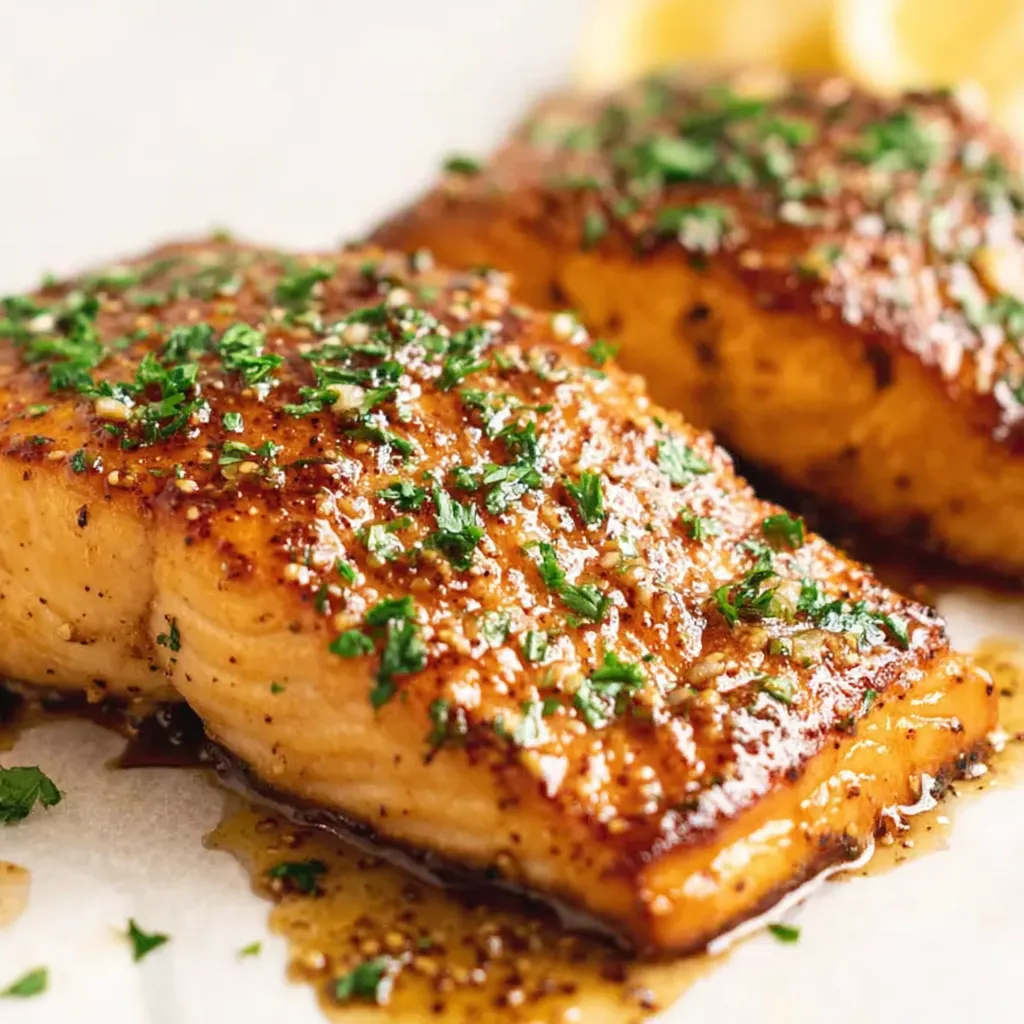
This Brown Sugar Dijon Arctic Char has been a quiet star in my weeknight rotation ever since I first combined pantry staples and a leftover fillet on a busy Thursday evening. It’s one of those dishes that tastes like more work than it actually requires: a sweet, glossy glaze with a bright lick of lemon and the gentle heat of Dijon resting over flaky, buttery fish. I discovered the balance of flavors the first winter I tried to reinvent a store-bought glaze, and the result immediately replaced more complicated preparations in our meal plan. Texture-wise the char stays moist and delicate under that thin caramelized coating, which means picky eaters and seafood lovers alike come back for seconds.
What makes this preparation special is how forgiving it is — both the timing and the ingredients. Arctic char’s natural fattiness makes it resilient in the oven, so even fillets that are slightly thinner than ideal still come out tender rather than dried. The glaze forms a slightly tacky top that highlights the fish’s flavor without overpowering it. Family memories attached to this dish include a rushed college reunion where three pan-fried sides and this simple fillet were all we needed to feel festive. It’s a reliable, elegant plate you can make on a Tuesday and serve to guests on Saturday with the same confidence.
When I serve this to friends, I often hear comments about how it tastes like something from a restaurant rather than a ten-minute bake. My partner always asks for extra parsley and a squeeze of fresh lemon just before serving — small rituals that amplify the freshness. On a windy spring evening, plating these fillets alongside buttery new potatoes and steamed asparagus became an instant favorite at our table.
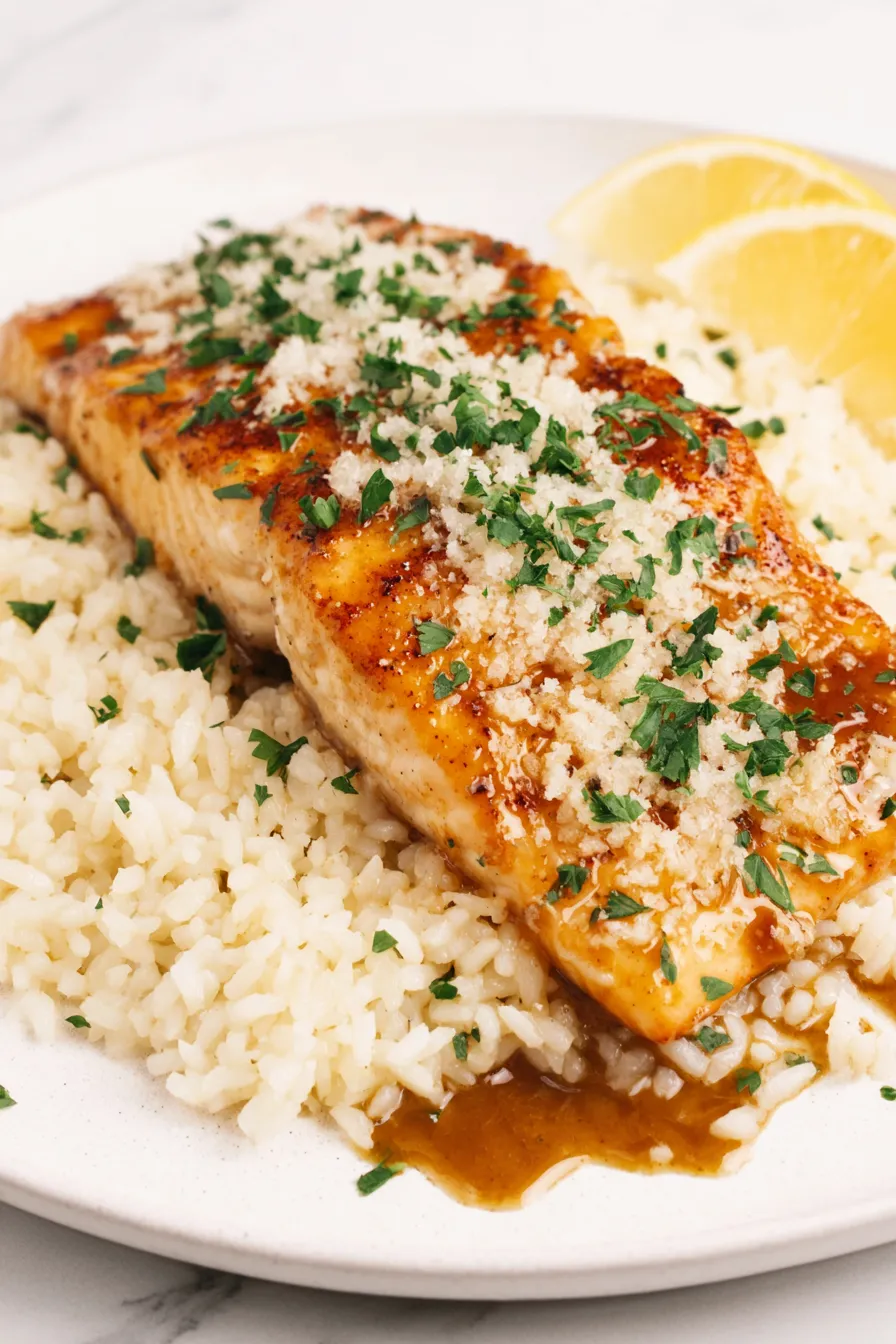
My favorite aspect is how reliably this glaze makes ordinary fillets feel celebratory. During a spring dinner for visiting friends, these fillets were the first thing gone — people asked for the recipe and then complimented how the lemon kept everything from becoming cloying. I love recipes that invite small personal touches: an extra squeeze of lemon, a scattering of herbs, or a side of crusty bread to mop up the glaze.
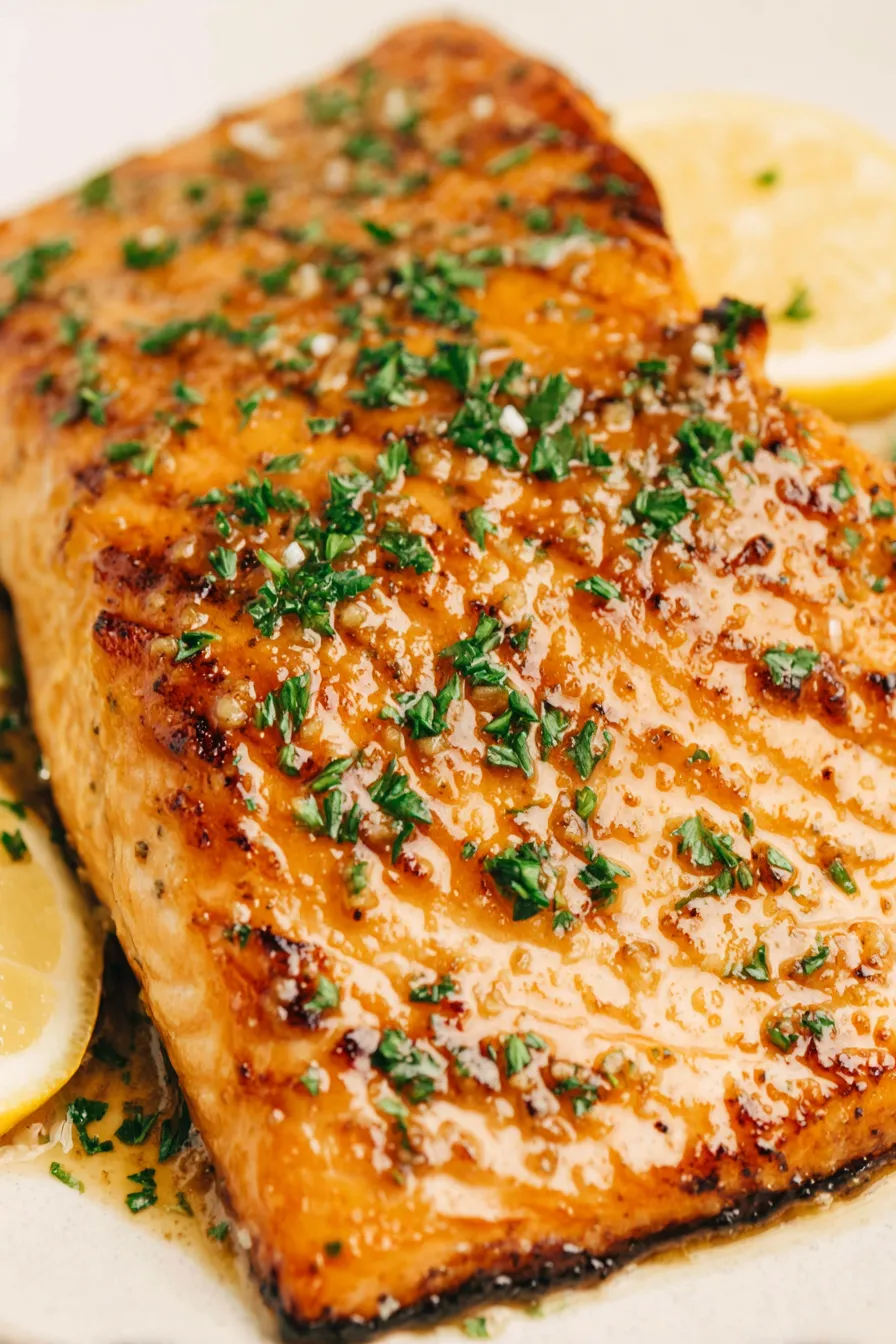
Store cooled fillets in an airtight container in the refrigerator for up to 48 hours; place a sheet of parchment between layers to avoid sticking. For freezing, wrap each fillet tightly in plastic wrap and then foil, or vacuum-seal for best quality; label with the date and use within three months. To reheat, thaw overnight in the refrigerator if frozen, then reheat gently in a 300°F oven for 8–10 minutes covered with foil to prevent drying. A quick finish under the broiler for 30–60 seconds can help re-warm the glaze without overcooking the fish.
If you don’t have arctic char, use salmon or trout fillets of similar size and thickness — both have the oiliness to stand up to the glaze. Swap brown sugar for maple syrup (use 2 tablespoons) for a different sweetness profile and a looser glaze. If you prefer less sugar, reduce brown sugar to 3 tablespoons and increase Dijon to 1 1/2 tablespoons for more tang. For a garlic-forward version, replace garlic powder with one small clove minced and mix into the glaze, being mindful that raw garlic will have a sharper bite after baking.
Serve fillets over buttered new potatoes, a lemon-herb quinoa, or a simple bed of arugula to cut the sweetness with peppery greens. Roast asparagus or green beans with olive oil and lemon zest as a spring pairing; for heartier winter meals, pair with mashed sweet potatoes and sautéed Brussels sprouts. Garnish with extra parsley, a lemon wedge, and a drizzle of high-quality olive oil if you like. A crisp white wine such as a dry Riesling or a unoaked Chardonnay complements the sweet-tangy flavors beautifully.
Arctic char is a cold-water relative of salmon and trout, prized in northern cuisines for its mild, rich flavor and sustainability in many farmed systems. The combination of mustard and sugar for glazing fish has roots in European preparations where mustard’s acidity balances sweet preserves or sugars, creating a glossy coating that both flavors and protects delicate flesh during cooking. This simple sweet-and-tang method adapts well across seafood traditions and highlights the natural qualities of the fish.
In spring and summer, add fresh herbs such as dill or chives into the glaze or finish with chopped basil for a brighter profile. In fall or winter, swap lemon for orange zest and add a pinch of smoked paprika to the glaze for warmth and depth. For holiday entertaining, serve fillets on a platter with warm lentils dressed in mustard vinaigrette and roasted root vegetables for a festive spread.
For meal prep, portion fillets into single-serving containers with a wedge of lemon and a small container of extra parsley. Prepare the glaze and store it in the refrigerator for up to 24 hours; when ready to cook, glaze and bake as directed. Cooked fillets reheat well and make a protein-forward lunch when paired with grains and a green vegetable. Keep dressings or sauces separate until serving to maintain texture.
Make this recipe your own by adjusting the sugar, mustard, and citrus to match your flavor preferences. It’s an adaptable, reliable dish that consistently returns happy diners and full plates. Give it a try on a busy weeknight — it often becomes a favorite faster than you expect.
Pat fillets thoroughly dry before glazing to help the glaze adhere and caramelize evenly.
Check fillets at the 10-minute mark for thinner cuts to avoid overcooking; aim for an internal temperature of 125–130°F for optimal moistness.
If your glaze is too thick to spread, add a few drops of water or lemon juice to loosen it; too thin will run off the fillet, so find a paste-like consistency.
Allow fillets to rest 1–2 minutes after baking to let juices redistribute and the glaze set slightly before serving.
This nourishing brown sugar dijon arctic char recipe is sure to be a staple in your kitchen. Enjoy every moist, high protein slice — it is perfect for breakfast or as a wholesome snack any time.
This Brown Sugar Dijon Arctic Char recipe makes perfectly juicy, tender, and flavorful steak every time! Serve with potatoes and a side salad for an unforgettable dinner in under 30 minutes.
Preheat oven to 400°F and move rack to the top third. Line a rimmed baking sheet with foil and lightly spray or brush with oil. Pat fish dry with paper towels and place skin-side down on the sheet.
In a small bowl whisk together Dijon, brown sugar, lemon juice, garlic powder, and a pinch of salt and pepper until a paste-like glaze forms; add a few drops of water if necessary to achieve spreadable consistency.
Spread the mustard-brown sugar mixture evenly across the top of each fillet using a spoon or offset spatula so the entire surface is coated for uniform caramelization.
Bake uncovered for 10–15 minutes depending on thickness. Check at 10 minutes for fillets around 1/2" thick. Fish is done when it flakes easily with a fork and reaches 125–130°F internal temp.
Remove from oven, let rest 1–2 minutes, sprinkle with parsley, adjust seasoning and slide skin off if desired before plating. Serve immediately with chosen sides.
Last Step: Please leave a rating and comment letting us know how you liked this recipe! This helps our business to thrive and continue providing free, high-quality recipes for you.
Leave a comment & rating below or tag
@delishum on social media!
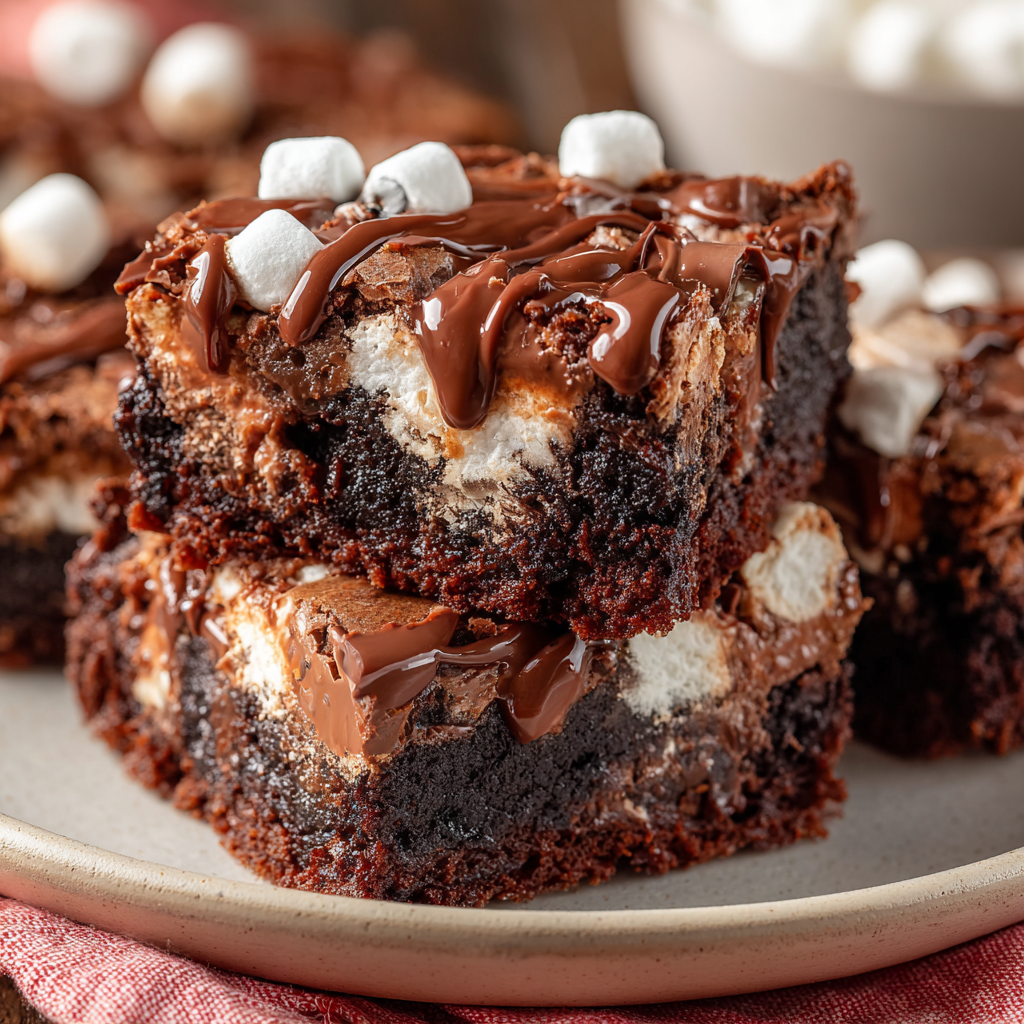
Thick chocolate chunk brownies crowned with melted mini marshmallows and drenched in glossy chocolate frosting for the ultimate fudgy, crowd-pleasing bite.
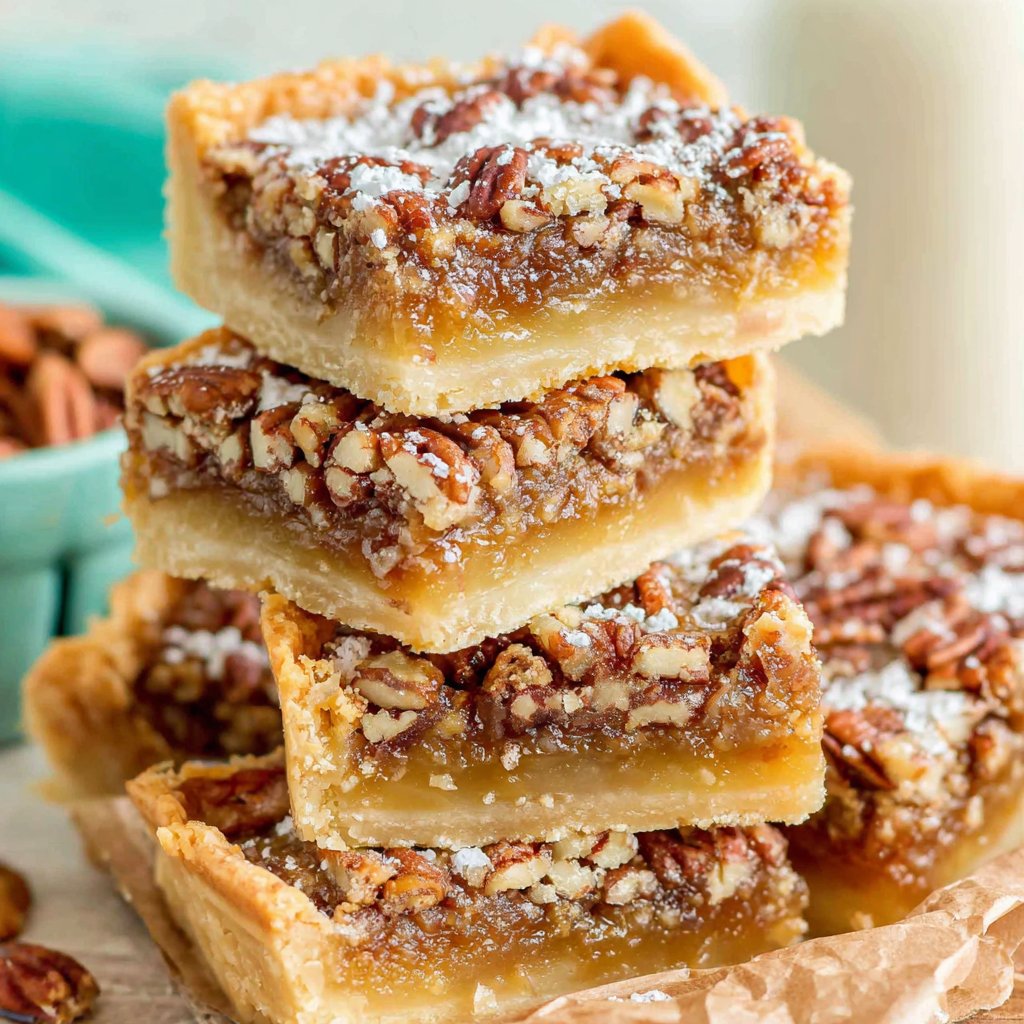
Buttery shortbread crust meets a lush brown sugar pecan topping. Crunchy, caramelly, and ready with just 10 minutes of prep for effortless indulgence.
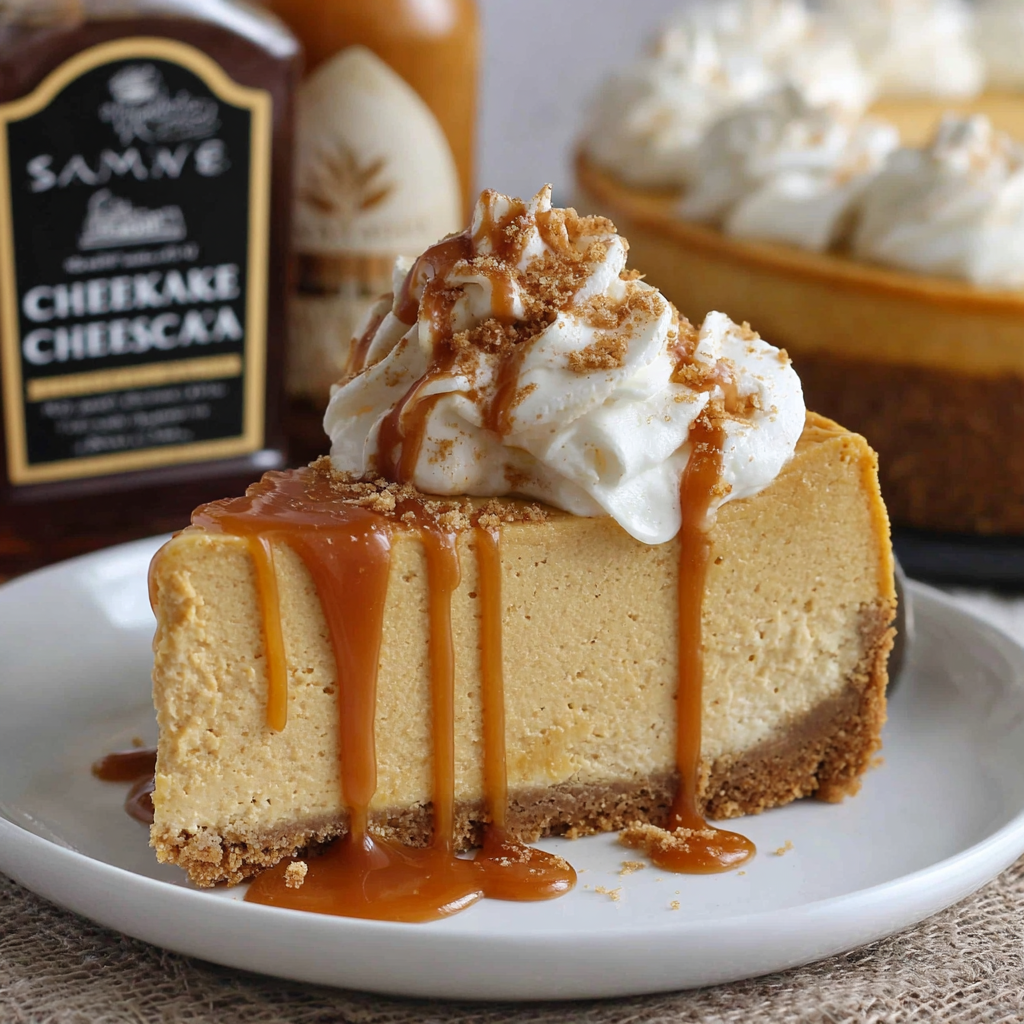
Ultra-smooth pumpkin cheesecake with warm spice and a sturdy graham crust. A showstopper on its own, unforgettable with caramel and rum-kissed whipped cream.
Leave a comment & rating below or tag @delishum on social media!
Enjoyed this recipe? Share it with friends and family, and don't forget to leave a review!
This recipe looks amazing! Can't wait to try it.
Comments are stored locally in your browser. Server comments are displayed alongside your local comments.

Join to receive our email series which contains a round-up of some of our quick and easy family favorite recipes.